Detailed Explanation of Management Techniques for Strawberry Runner-Plant Propagation
Strawberry is a fruit that people love, with strong market demand and good economic returns, and many people also enjoy growing it, mostly in greenhouses. When growing strawberries, you first raise strawberry seedlings, so how can you raise good seedlings? Let's learn together about the management techniques for strawberry runner-plant propagation.
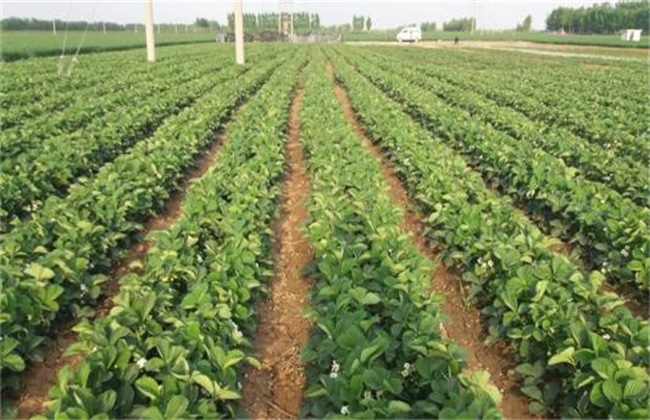
1. Water and Fertilizer Management
The root system of strawberries is mainly distributed in the shallow soil layer of 15-20 cm, and it is highly prone to dying from drought, so you must water to resist drought. Around evening after transplanting, irrigate by furrow irrigation and moistening, and avoid flood irrigation. During the peak growing season, apply topdressing 3-4 times; generally, apply 500 kg of diluted human excrement and urine per mu, or dilute 5 kg of urea with water and apply it. During the rainy season, drain promptly to avoid water accumulation in the field that causes root rot. During the peak period of runner production and the rooting period, the ground should preferably alternate between dry and moist. In dry seasons, pay attention to drought resistance and seedling protection, and provide appropriate shading to avoid strong light scorching the daughter seedlings.
2. Intertillage and Weeding
During the seedling stage, carry out intertillage and weeding multiple times to keep the soil loose, which helps runner-plant seedlings root and grow. For weeds, herbicides can be used for control; spray trifluralin in the early growth stage, but pay attention to the concentration and spraying method to avoid phytotoxicity to the seedlings, which could lead to poor seedling growth or death.
3. Leaf Removal
After planting and survival, when the seedlings grow new leaves, promptly remove old leaves and flower buds on the mother plant, which can reduce nutrient consumption and promote seedling growth. When runners emerge in large numbers, spread the runners evenly over the bed surface to prevent them from crossing or overlapping, which would cause poor ventilation and hinder growth. For early-emerging seedlings, press the stems with small clods of soil to promote the seedling roots to grow downward and form strong seedlings.
4. Pest and Disease Control
The common insect pests of strawberry propagation seedlings are white grubs, aphids, and cotton leafworms, while the main diseases are snake-eye disease and anthracnose. White grubs can be killed by drenching with trichlorfon and phoxim emulsifiable concentrate; aphids and cotton leafworms can be killed by spraying with imidacloprid and abamectin emulsifiable concentrate; for anthracnose and snake-eye disease, thiophanate-methyl and chlorothalonil can be used alternately, spraying once every 5-7 days for 3-4 consecutive times, with good results.
The above is an introduction to the management techniques for strawberry runner-plant propagation. We hope it helps you. To learn more related knowledge, please keep following us.