What are the precautions for grape harvesting?
Grape harvesting sounds like simply picking grapes off the vine, but in reality the process of harvesting grapes and the things to pay attention to involve more than just this simple action. Moreover, different varieties planted in different environments have different harvest times, and the things to pay attention to are also different. Next, you can carry your questions into the following content to seek answers.
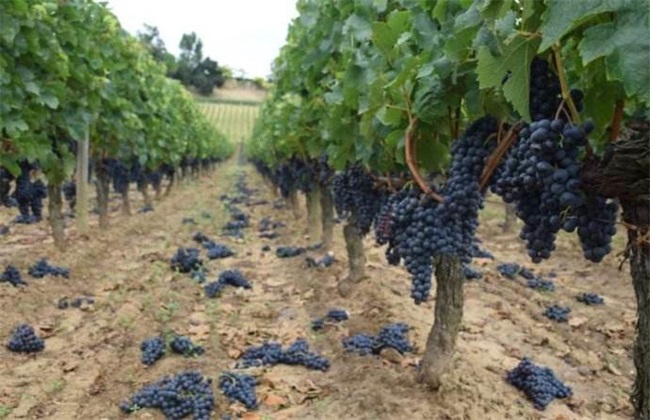
I. Harvest time
First, we need to determine what variety of grape we are currently growing, when its ripening period falls, and whether planting it in the current environment has changed this somewhat, in order to calculate the approximate maturity period. Generally, harvesting too early means the grapes are not ripe enough and do not taste good, but if long-term storage or long-distance transport is needed, they can be harvested half a month before the maturity period, using physiological after-ripening to prevent spoilage during the process. If transport is not needed, harvest right at the peak maturity period to ensure good taste and lower acidity. Then there is the specific picking time, generally on days when the sun is not strong; after the dew on the grass has dried, harvesting can begin, continuing until before 12 o'clock, then again after 3 p.m. until evening. Avoid the strongest sunlight to prevent water loss. Picking in the evening, when temperatures are lower, can avoid oxidative consumption and better preserve freshness.
II. Harvesting methods
Generally, hold the entire cluster with one hand, and with the other hand use pruning shears to cut about 1 cm from where the fruit stalk attaches to the bearing branch. After cutting, if there is a bag, cut it off, and carefully check once for diseased berries or diseased small stalk bases; if any are found, cut them all off 1 cm into the healthy part. Then gently place them into the harvesting crate; generally fill a crate to about two-thirds, placing them in a crisscross manner as much as possible, not aligned and squeezed. The bottom of the crate should generally be lined, which can be done with clean newspaper or clean straw or cardboard. This prevents damage.
III. Precautions
1. During harvesting, do not cause mechanical damage to the tree body or the fruit.
2. The fruit stalk turning slightly yellow is a sign of maturity; if it is too green, harvesting can be delayed.
3. Harvesting tools must be soaked and disinfected with a medicinal solution to avoid spreading diseases.
4. Do not spray pesticides within half a month before picking the fruit, to avoid incomplete volatilization.
5. If there is water or other adhering rotten leaves on the picked fruit, be sure to wipe them clean with a clean cloth before storing.
6. If the maturity period is delayed for other reasons, do not rush to harvest; you can wait until the fruit visibly ripens before harvesting. Do not harvest on rainy days or days with heavy fog.
The above are the general aspects to pay attention to in grape harvesting; generally pay attention to harvest time and method. Then there are some small details. In order to ensure that storage and transport after harvest do not reduce the grape's own quality, we can only perfect the things to pay attention to as much as possible. Only in this way can we reduce our own losses.