Reasons Why Bayberry Blooms but Does Not Bear Fruit and How to Fix It
Bayberry (waxberry) is a fruit that everyone loves, but many people who grow bayberry have found that sometimes the tree produces a full flush of flowers, yet after the flowers fade, it bears very little fruit, and some even bear none at all. There are actually many contributing causes. If you want your bayberry to bear fruit, you must identify the specific reason it is not setting fruit and find the right solution for that cause. Below I will briefly introduce these points.
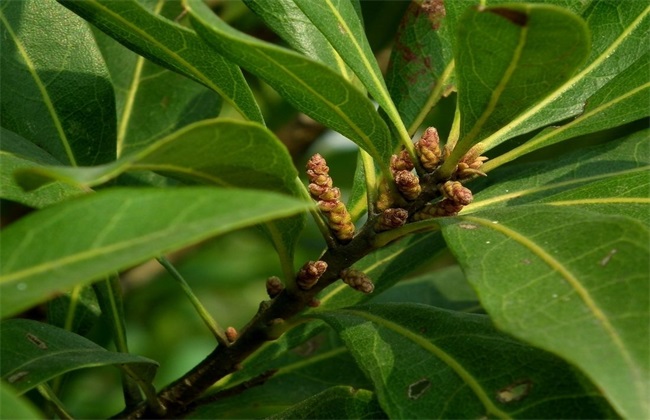
I. Causes
1. Poor light
Bayberry is a sun-loving fruit tree. Its flowering and fruiting period generally occurs in summer, and it needs sufficient light for proper ovary development and fruit development. In the earlier stage of trunk growth, it needs a great deal of light to promote growth and photosynthesis, and to store nutrients in the tree in preparation for flowering and fruiting.
2. Excessive fertilization
Bayberry is a fruit tree that mainly absorbs natural nutrients from the soil and relies on photosynthesis to obtain enough nutrition for growth. Topdressing is generally done only after harvest and during the important period before fruiting. Apply a small amount of phosphorus and potassium fertilizer and no nitrogen fertilizer. If too much fertilizer is applied and the soil is too rich, the plant may grow only vegetatively, nutrients cannot be supplied to the flowers, flowers will drop, and few fruits will set.
3. Not yet of bearing age
Bayberry generally begins to flower and bear fruit about three years after planting, so some trees may look like they are growing very well, with a vigorous tree habit and a tall, large form, but their actual tree age may not yet have reached the fruiting stage. You can continue to cultivate them, and they will bear fruit later.
4. Poor pollination
If it is continuously rainy during the flowering period, the pollen absorbs too much water, swells and bursts, and becomes ineffective and unable to pollinate, or the pollen is washed down to the ground, so pollination naturally cannot occur. Sometimes there may be few or no pollinating insects, and the flowers cannot be fertilized without insect pollination. Or there may be only female plants and no male plants, meaning there is no pollinizer tree.
II. Improvement Methods
Plant in a location that receives sufficient sunlight, and do not let tall trees nearby shade it. You can scrape away the overly fertile soil under the roots and replace it with some new soil, which reduces nutrients and prevents excessive vegetative growth. When planting bayberry, choose early-maturing varieties, which can shorten the time to fruiting so you do not have to wait too long, and also choose varieties that make better use of light. You can use growth regulators to make bayberry bloom somewhat earlier, so that the flowering period can avoid more rain washing and the pollination rate can be increased. You can place bees in the orchard to improve the success rate of pollination and fertilization. In addition, be sure to plant one male plant for every three female plants in the orchard, and configure pollinizer trees properly, so that fruiting can proceed normally.
The above are the various reasons why bayberry blooms but does not bear fruit and the methods to solve and improve the situation. Generally, when this phenomenon occurs, first look for the cause, and once you find it, use the correct method to address it. For more other content, you can follow future updates.