A Complete Guide to Watermelon Harvesting and Storage Methods
Watermelons generally ripen in batches, and not all of them necessarily ripen at once, so harvesting watermelons is ongoing work once the ripening period is reached. Each time you harvest, you should generally pay attention to using a suitable harvesting method and picking at the right time. In addition, you need to judge ripeness yourself, and you also need to use suitable harvesting tools, and after harvesting, do a good job of preserving quality during storage.
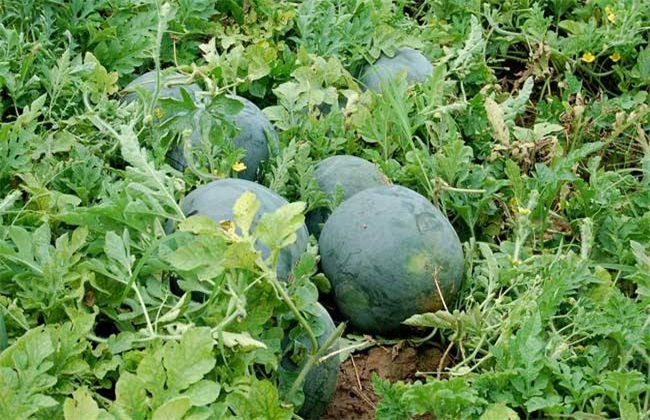
1. Harvesting Time
Watermelons are generally sown in March in spring and harvested around June or July, but the harvesting period must be determined according to different varieties. In addition, greenhouse watermelons can be harvested a while earlier, because the higher temperature in the greenhouse makes them ripen earlier; during the ripening period, choose an overcast day with no dew to pick the watermelons according to their degree of ripeness.
2. Harvesting Methods
Use clean baskets to hold the harvested watermelons. In the melon field, select some swollen, yellowed watermelons with paler color, then tap them lightly; hearing a muffled sound is a sign of ripeness. However, when the harvest quantity is too large, there will be no time to tap them, so you can harvest directly by looking at the appearance. Generally, bring a sterilized sharp pair of scissors and cut the melon off directly while leaving about 3 to 4 cm of the stem, wipe off soil and attached impurities, and handle it gently. However, if you want to store it, leave a section of vine and a few leaves.
3. Storage Methods
1. Sand storage method
Harvest watermelons that are eight-tenths ripe, pick them with a few leaves left on, and smear plant ash or limewater on the cut to prevent the wound from rotting. Then find a dry place, spread clean straw on the ground, then put down a layer of sand, and place the watermelons on it. Each layer of sand should be about 10 cm thick, one layer of sand and one layer of watermelons, with sand covering the top. Stored this way, they can be kept for about half a month, but the sand must be wet sand, and do not stack more than two layers, as they are easily crushed.
2. Cellar storage method
Dig a cellar for storage; generally build shelves in the cellar and spread dry grass on the shelves. Then place the watermelons on the straw. The harvested watermelons should be about just ripe, about nine-tenths ripe; do not use ones that are too ripe, as they spoil easily. Before storage, leave them outside for a few days first to remove some moisture, which makes them easier to store, and can extend the storage time to about three months.
3. Grass storage
After harvesting the watermelons, place them in dry grass in the field, then cover them with plastic film, and cover the film with wet sand and fine soil to block sunlight and keep moisture in. This can extend the watermelon shelf life, giving about two months of freshness retention time.
When harvesting watermelons, if they are to be sold nearby, you can leave no leaves and use the short-term sand storage method. But if they are to be transported over a long distance for sale, you can choose the grass storage method; however, if the quantity is too large and the selling period is longer, you can use cellar storage, which has the longest storage time.