A Complete Guide to Citrus Flower and Fruit Retention Techniques
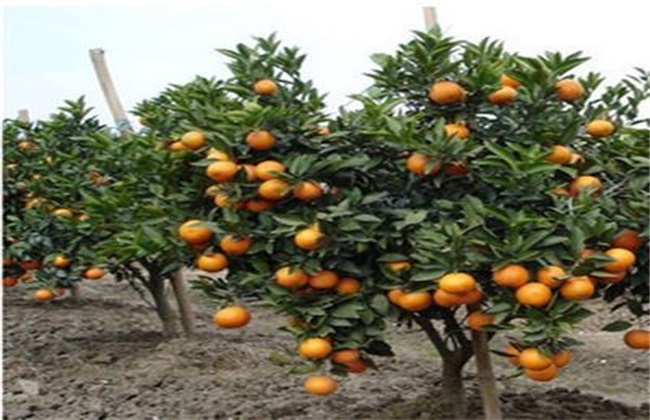
Citrus is a fruit that everyone quite enjoys eating, and there are many varieties of citrus, such as Shatangju mandarin and Wogan, all of which have very large market demand in China and are grown across a certain area. However, citrus suffers from a fairly serious problem of flower and fruit drop, so when growing citrus we must do a good job of flower and fruit retention. So how exactly should this be done? Let's take a look together below!
1. Fertilizing and spraying
When growing citrus, we should pay attention to fertilizing and spraying, the purpose being to promote the maturation of spring shoots and strengthen the vigor of the citrus trees. A reasonable nutrient ratio can effectively reduce flower and fruit drop in citrus. Generally, before the main citrus trees have bloomed, spray some foliar fertilizer rich in trace elements. Then also pay attention to reasonably spraying flower and fruit retention agents, which can noticeably improve the quality of the flower buds and achieve the goal of retaining flowers and fruit.
2. Water management
Water is very important for the growth of citrus; an appropriate amount of water can ensure the growth of citrus, increase yields and enhance fruit quality. When growing them, we should keep the soil moist during fruit retention, which can noticeably improve the stress resistance of the citrus fruit-bearing branches. Pay attention to keeping moisture levels appropriate, preventing excessive water from causing root rot and leading to flower and fruit drop in the citrus trees. However, when encountering dry weather, also pay attention to watering to keep moisture within the suitable growth range for citrus.
3. Girdling for fruit retention
Reasonably girdling citrus trees is a main fruit retention measure; when growing them, we should girdle some of the vigorously growing trees. Usually the first girdling is done when physiological fruit drop occurs. Girdle the main trunk of the citrus tree in one ring, then at the time of the second fruit drop, girdle once more according to the tree's vigor and the number of fruits set. This can effectively increase the fruit-setting rate of citrus. When girdling, be careful not to damage the xylem, and do not girdle old trees or weak-growing trees.
4. Scientific pruning
During the growth of citrus trees, there is often a nutritional conflict between the shoot-bearing branches and the fruit-bearing branches. Therefore we should pay attention to pruning the spring shoots, with the main target being water sprouts. After pruning the spring shoots, we should also pay attention to pinching. When the retained spring shoots have grown to about 15 cm, that is the best time to pinch. Then when the summer shoots have grown to 4 cm, cut them all off and remove the buds. This prevents excessive consumption of nutrients, which would cause insufficient nutrients for the fruit and lead to fruit drop, concentrating the nutrients in the fruit and carrying out good flower and fruit retention measures.
The above is a brief introduction to citrus flower and fruit retention measures. When growing them, we also need to ensure sufficient sunlight, improve the air circulation and light penetration in the orchard, enhance light exposure, and promote normal growth of the citrus. That's all for today's introduction; this article is for reference only. Thank you for reading and your support.