Peach Tree Gummosis: Control Methods and Technical Key Points
Many diseases can occur in peach cultivation, but today we will only introduce the most common one: gummosis. Gummosis does not only occur in peach trees; it also harms pear trees and plum trees and other fruit trees. Growers of these fruits all fear gummosis, and these trees are also prone to it. Once you understand the causes of gummosis and its infection pathways, and then take targeted preventive measures, you no longer need to fear its damage.
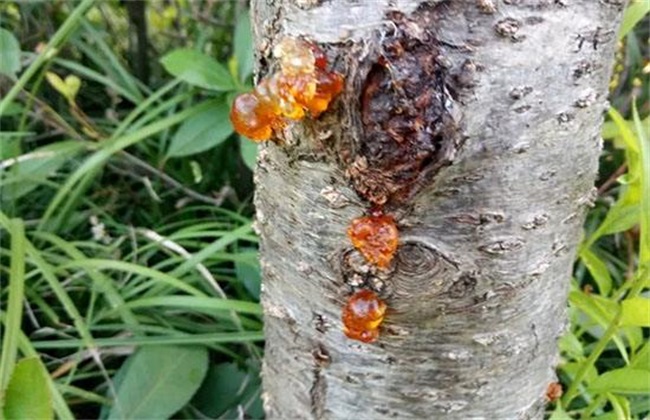
I. Causes
Fungal damage from various rot diseases lowers the tree's resistance and triggers the disease. Alternatively, boring insect pests bore into the trunk and create wounds that induce gumming; in addition, human operations such as pruning wounds, freeze damage, and sunscald can also cause the disease. Waterlogging after rain and soil compaction can also lead to the occurrence of gummosis.
II. Symptoms of Damage
The disease mainly occurs on the trunk and branches. When the main trunk is affected, the diseased phloem commonly looks dark and water-soaked, and some yellow sticky gum adheres around the diseased holes. Sometimes it is mixed with wood shavings from insect boring. After further spread, a large amount of transparent jelly-like sticky gum appears, which flows down along the trunk and then hardens, adhering to the bark. When branches are affected, the diseased area is less obvious, sometimes resembling gum growing out from the cortical layer; mostly some transparent sticky gum appears at the diseased area. The gum is relatively hard and generally does not flow downward.
III. Control Methods
1. Cultivation Management
Focus on controlling pests and diseases, preventing intense light exposure, and taking cold-protection measures in winter. Apply more organic fertilizer and pay attention to maintaining tree vigor to enhance resistance. Be careful when pruning to avoid creating excessively large artificial wounds; after pruning, apply whitewash to protect the wounds, and routinely spray the trees with Bordeaux mixture as a protective agent to prevent diseases.
2. Applying Medication
For fruit trees that have developed gummosis, first scrape off the diseased part, including the phloem, then use a 200-fold dilution of 50% Tuzet wettable powder to smear the diseased area, and also disinfect the tools. Apply once every two days; with three consecutive applications, the disease will basically not occur.
3. Root Irrigation
For severely affected trees with gummosis in summer, in addition to applying medication, root irrigation treatment can also be used, generally twice with an interval of ten days to half a month, depending on the disease situation and the weather during the outbreak. The usual agents are a 600-fold dilution of 50% ultra-micron carbendazim wettable powder or an 800-fold dilution of 72% DuPont Curzate wettable powder.
Peach tree gummosis has many triggers, and there are many things to pay attention to, but as long as you manage carefully, prevent in good time, and use the most effective agents, there will not be much of a problem, and the disease can be controlled.