Kiwifruit Pinching Technique Key Points and Methods Explained in Detail
Kiwifruit is also called qiyiguo (kiwi), and its nutritional value is very high. When growing kiwifruit, in order to ensure normal growth of the kiwifruit and improve yield and fruit quality, doing a good job of pinching the kiwifruit is very important. So why exactly should kiwifruit be pinched? When is the best time to pinch? And how should we pinch? Below, the editor brings you the pinching technique for kiwifruit, let's take a look!
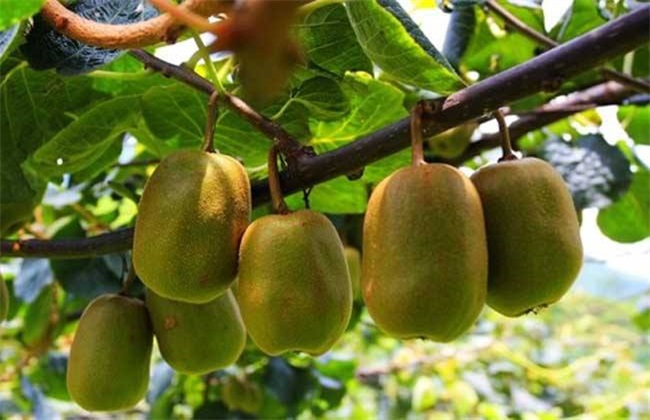
1. Why pinch
Every year after entering May, the growth of kiwifruit will reach its peak period, and the growth rate of new shoots is extremely fast. If management is not timely and growth is left unchecked, then the phenomenon of leggy branches is very likely to occur. This leads to branches being too long and too dense, the canopy becoming closed, and poor air and light penetration. It causes excessive nutrient consumption, and also affects the expansion of kiwifruit fruit, lowering quality. It will also affect flower bud differentiation in the second year, so we must do a good job of pinching.
2. Pinching time
The pinching time should be determined according to the planted variety, generally starting in June. If it is a variety such as Hongyang, then it can be done in mid-May. The frequency of pinching should be controlled at about half a month, and attention should be paid to the pinching position. For some reserved branches, attention should be paid to controlling the pinching intensity, and one should not pinch blindly. Generally, pinching is done when tendril-twining appears at the top, and then pinching should be done again when the secondary branches twine.
3. Pinching technique
Pinching of young trees
Depending on tree age, the pinching technique will also differ. Trees grown within two years are called young trees. If it is a young tree just planted that year, then keep about two branches and tendrils, and when the branches and tendrils grow to about 75 cm, pinch at the appropriate time. Then let it grow naturally. For some vigorously growing trees, pinch at about 35 cm below the trellis surface. If the growth is weaker, then appropriately reduce by about 15 cm. After pinching, observe the growth of the main vine; barring accidents, about 3 side branches will sprout, and at this time keep about 10 leaves on the side branches and pinch again.
Pinching of trees in full fruit
For pinching trees in full fruit, we must carefully observe the growth of the kiwifruit tree, and carry out the first pinching from the top branches of the outer branches while keeping about 6 leaves. Then pinch again when the new branches grow 3 leaves, and then for some leggy branches increase the pinching intensity. When pinching, we should also pay attention to doing a good job of branch thinning to improve air and light penetration, reserve a certain growth space for each branch, thoroughly remove excess branches from the base, and provide sufficient light for the inner canopy branches.
The above is a brief introduction to the kiwifruit pinching technique. When pinching, we should pay attention to the pinching targets, mainly permanent branches and tendrils, leggy branches, fruiting mother branches, and other branches, and pinch them separately according to the actual situation to ensure normal growth of the kiwifruit. That is all for today's introduction. This article is for reference only, and I hope it can help everyone!