What are the growing environment requirements for lychee?
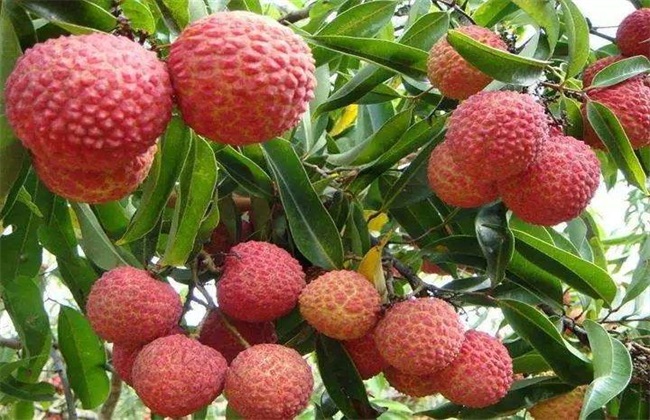
Lychee is a very popular fruit in China. It has many varieties, the most common of which is Feizixiao. Lychee is now grown over a fairly wide area, mainly concentrated in southern China. However, growing lychee is not as simple as it seems. This is because lychee has certain requirements for its growing environment, so what exactly are these requirements? Let's take a look together below!
1. Temperature
Lychee is a subtropical fruit, and the temperature in its main producing areas is generally around 25 degrees. Lychee has relatively high temperature requirements, and it is precisely because of temperature that many places cannot grow it. The most suitable growing temperature for lychee is around 24-28 degrees. Below 12 degrees, the growth rate drops noticeably. However, in winter it also needs to stay at a low temperature for a period of time to prevent excessive vegetative growth of lychee and promote flower bud differentiation of the lychee tree the following year. In spring, it can only begin to flower when the temperature is above 10 degrees, and enters full bloom at around 20 degrees. If there is prolonged low temperature during the flowering and fruiting period, it will cause lychee flowers and fruit to drop, and in severe cases, result in total crop failure.
2. Water
Water is very important for the growth of lychee, and water is also the main component of lychee. The annual precipitation in the growing area must remain at at least 1200 mm or more. However, lychee has different water requirements at different growth stages. During the flowering period, it needs less water, and rain protection should be done well. If there is too much water, the pollination and fertilization rate will be reduced. During the young fruit stage, rain should also not be too much, as fruit drop and similar problems are likely to occur. However, a certain humidity should still be maintained, because the root absorption capacity of young trees is weak and they are greatly affected by changes in soil moisture. Finally, drainage work should also be done well, because when there is too much water, soil permeability will decline, causing adverse phenomena such as root rot.
3. Light
Lychee is a subtropical plant, so its light requirements are also relatively high. The growing area needs to maintain an annual sunshine duration of more than 1700 hours. Sufficient light can enhance the photosynthesis of lychee, increase the accumulation of photosynthetic substances in lychee, and promote flower bud differentiation of lychee. It enhances fruit quality and increases commercial value. Therefore, we should provide sufficient light for lychee. When the branches and leaves of the lychee tree are too dense, there is less light and insufficient nutrition, and the flowering rate declines. However, attention should be paid to light intensity, because if the light is too strong, it will increase water evaporation, causing flowers to dry up and reducing the pollination and fertilization rate.
4. Wind
Wind actually also has a great impact on the growth of lychee. Wind can not only regulate temperature, but also has effects such as pollination. Usually, for a lychee tree about 2.5 m tall, pollen spread by wind will be distributed within a range of about 10 m in diameter centered on the tree canopy. However, if a northwest wind blows during the flowering period of lychee, it will cause the style to dry up and reduce the pollination rate. Attention should also be paid to controlling wind volume, especially during fruit development, because it makes lychee trees prone to fruit drop and branch breakage, seriously affecting planting benefits. Therefore, when establishing an orchard, we should pay attention to selecting the plot well and preparing windbreak facilities.
The above is a brief introduction to the growing environment requirements of lychee. Lychee has relatively strict environmental requirements for growth, so many places cannot grow it. In addition to the above, soil, nutrients, and so on are also things we need to pay more attention to when planting. That is all for today's introduction. This article is for reference only. Thank you for your reading and support.