Key Points and Detailed Methods of Sapphire Grape Cutting Propagation Technology
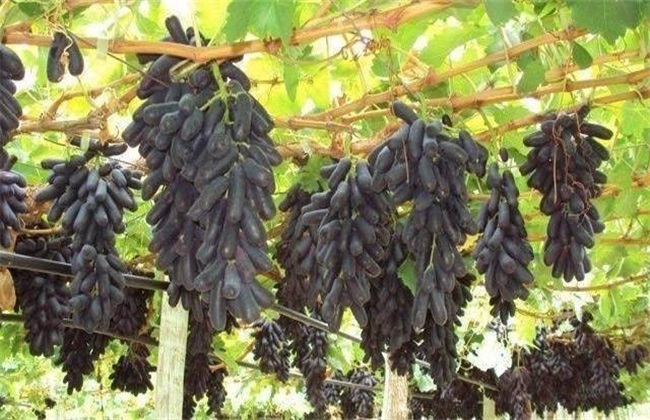
Sapphire grape is a grape variety that has already been planted on a certain scale in China since its introduction from Australia. However, because it is a new variety with a short cultivation history, there are still many shortcomings in its cultivation technology. This is especially true for seedling propagation technology; Sapphire grape propagation and seedling raising is generally based mainly on cuttings. So how exactly should the cuttings be done? Below, the editor brings you the cutting propagation technology for Sapphire grape. Let's take a look!
1. Preparation Before Cutting
Before cutting, we need to prepare the soil well. In autumn, plow the soil deeply and then let it mature. Then in March-April of the following year, plow deeply once more, then level the soil, control the row spacing and dig the planting trenches. In the middle of the planting trenches, dig the planting holes, controlling the width and depth well. Before planting, apply sufficient base fertilizer, add topsoil, and water thoroughly. Pay attention to ensuring soil quality, reduce pathogens in the soil as much as possible, ensure the soil's drainage and irrigation capacity, increase fertility, and create a good growing environment for Sapphire grape.
2. Selection of Cuttings
After completing the soil preparation before cutting, we then need to select the cuttings. The cuttings should be selected from vigorous, disease-free and pest-free one-year-old branches with short internodes, moderate pith, and many plump buds. The thickness of the branches should be maintained at about 0.8 cm, with about 5 buds retained. The upper part of the cutting should be kept flat, and the cutting end should mainly be slanted. Then soak the rooting part in rooting agent for one day, and then disinfect it. There are two methods of cutting propagation for Sapphire grape, generally mainly hole cutting. Pay attention to controlling the plant spacing; about 800 cuttings can be inserted per mu.
3. Management After Cutting
After cultivation, we should have comprehensive cultivation measures, with the goals of improving the survival rate and promoting growth and development. We should do a good job in controlling weeds, diseases, and pests. After the cuttings mature, water and fertilizer management should be done well to fully meet Sapphire grape's needs for water and nutrients. After survival, pruning should be done according to the growth condition of Sapphire grape. Pay attention to controlling the pruning time; do not prune too early or too late, otherwise it will cause a very large impact on the Sapphire grape vine, leading to serious loss of tree nutrients, reduced tree vigor, and various other adverse phenomena.
4. Precautions
After cutting, management work must be done well for Sapphire grape; the quality of management has a very large relationship with the survival rate of the cuttings. The amount of water and fertilizer must be strictly controlled and must not be excessive, otherwise phenomena such as fertilizer damage and waterlogging are likely to occur. Then there is the prevention and control of diseases and pests, which is also greatly related to the survival rate of Sapphire grape. We should focus on prevention, with control as a supplement, enhance the disease resistance of Sapphire grape, and after disease occurs, promptly identify the cause and then take corresponding measures.
The above is a brief introduction to Sapphire grape cutting propagation technology. Cutting propagation is the main method of propagation for Sapphire grape, so it is very important for Sapphire grape; therefore, everyone must pay close attention to it. That is all for today's introduction. This article is for reference only. Thank you for reading and supporting.