How to Ridge and Protect Sapphire Grapes from Cold: Key Technical Points Explained
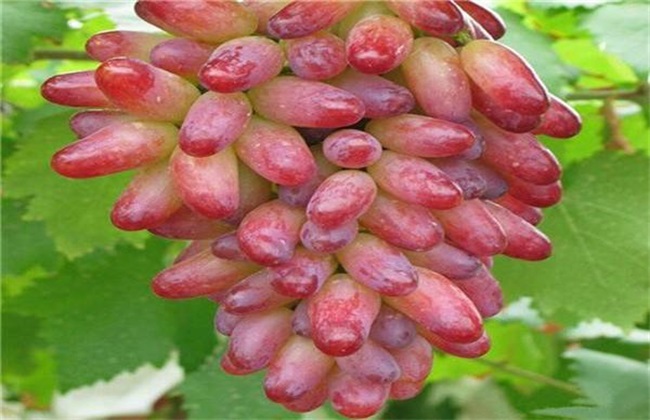
The cultivation techniques for Sapphire grapes differ from those for ordinary grapes and have certain technical requirements. When growing Sapphire grapes, attention must be paid to managing the flowering and fruiting period, pruning and training, and other tasks. Especially in winter, we also need to do a good job of cold protection, and cold protection for Sapphire grapes is mainly based on ridged cultivation. Why ridge? How should cold protection be done? Below, the editor brings you the ridging and cold-protection techniques for Sapphire grapes. Let's take a look!
1. Why Ridge
Root Reasons
The root system of Sapphire grapes grows downward at a slant, so if they are planted in low-lying areas, the fine roots will be distributed too deep. If distributed too deep, soil fertility is insufficient, permeability is poor, and the ground temperature rises slowly. Especially when grown in greenhouses, the temperatures in winter and spring are very low. This greatly affects the emergence of new roots from the root zone, while the sprouting, flowering, and fruiting of the aboveground part of the plant all require large amounts of nutrients. This leads to unbalanced plant growth, reduces the fruit-setting rate, and greatly affects fruit quality, causing tree vigor to decline, quality to decrease, and the lifespan of the tree to be shortened.
Water and Fertilizer Absorption
Water absorption in Sapphire grapes is mainly carried out by fine roots, and the fine roots are mainly located between the rows. Therefore, when fertilizing, fertilizer should be applied between the rows to ensure maximum fertilizer utilization, and the fine roots between the rows will continuously produce new roots, and the lifespan of the new roots is also relatively long. If they are planted in low-lying areas without ridging, it is not only unfavorable for trench fertilization, but the area with the greatest fertilizer demand cannot receive nutrients. Moreover, the roots that need to be cut cannot be cut off, seriously affecting their growth.
Difficult to Manage
If they are cultivated without ridging in low-lying areas, with the ridges between the rows, then this is very unfavorable for planting management work. In addition, when growing Sapphire grapes, mechanized management and harvesting are required. If they are cultivated without ridging, then mechanized production is completely impossible. Moreover, the drainage capacity of low-lying areas is very poor, and with even slight inattention in management, waterlogging is extremely likely to occur, especially in places with many rainy days. Therefore, when growing Sapphire grapes, we must use ridged cultivation.
2. Cold-Protection Techniques
Cold-protection work for Sapphire grapes is mainly carried out in extremely cold regions such as the north. If the winter temperature is not very low, then it is enough to bury the base of the plant's main vine well. If the temperature is extremely cold, then soil-burying work must be done well. After the grapes shed their leaves and winter pruning is completed, lay the canes prostrate on the ground. Then deep-plow the soil, apply base fertilizer, and then dig soil from the trench to bury the canes in the soil. Then water thoroughly with freezing water, and after the soil thaws in spring for about half a month, uncover the soil. The timing of uncovering the soil should not be too early, as it is prone to cold damage, nor too late, otherwise it is easy to damage the buds and canes, causing phenomena such as bleeding.
The above is a brief introduction to the ridging and cold-protection techniques for Sapphire grapes. Ridging and cold protection are very important for the growth of Sapphire grapes, so everyone must pay close attention. That is all for today's introduction. This article is for reference only, and we hope it can help everyone!