How to fertilize ginseng fruit? A detailed explanation of the correct fertilization method
Ginseng fruit mainly grows in arid and cold regions. Under such climatic conditions, ginseng fruit can naturally produce abundantly, with high yields and good quality. However, if it is promoted and cultivated in other regions, ginseng fruit cannot grow well without proper fertilizer management. When to fertilize during planting, what fertilizer to apply, and how much to apply should be determined according to different environments and climates. The following content will explain all of this one by one.
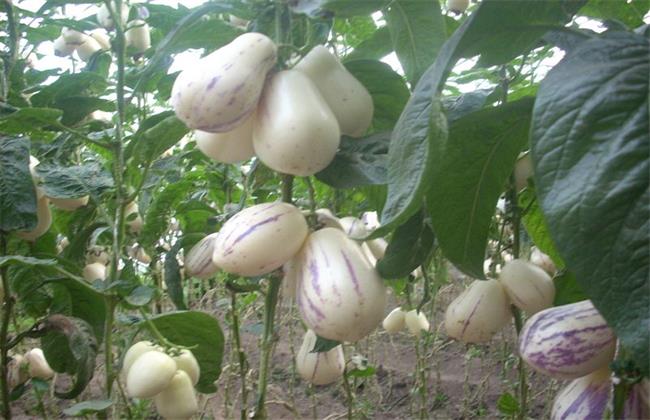
I. Fertilization requirements
Ginseng fruit has a high fertilizer demand and strong absorption capacity, so base fertilizer generally needs to be applied heavily, using mild livestock manure, such as pig manure, cow manure, etc., or fertilizer composted from wheat bran. Fertilizer should be mixed evenly with the soil to avoid root damage, and the fertilization position should be at a depth of about 15 cm, where the ginseng fruit root system is distributed. Fertilization should be applied throughout the whole garden and distributed evenly. During the plant growth period, topdressing should be carried out according to the stage to meet nutritional needs. Fertilization should be combined with phosphate and potassium fertilizers, and trace elements that are easily deficient should also be supplemented. For compacted soil, nutritional fertilizer should be applied and intertillage should be carried out to improve the structure.
II. Fertilization methods
1. Base fertilizer
After selecting the planting site, the land must first be prepared. After plowing and breaking up the soil, about 2000 jin of decomposed farmyard manure per mu can be applied throughout the whole garden, applied evenly, and after mixing with the soil, about 6 cm of topsoil should be covered. When fertilizer is limited, it can also be applied in furrows, with concentrated fertilization, which can not only provide sufficient fertilizer but also save labor.
2. Topdressing
Topdressing should be carried out in stages according to different growth periods, and the development process and growth condition should be taken into account. First, in the early stage of rapid plant growth, at about 30 cm, apply topdressing once, mainly nitrogen fertilizer and farmyard manure, so that the tree body sprouts branches and leaves and becomes strong. Then, before flowering, observe the growth. If the growth is good, to avoid too many flowers making fruit setting difficult, a little quick-acting potassium fertilizer can be applied to strengthen the stems. After fruit setting, a large amount of fertilizer should be applied promptly, mainly farmyard manure, which can continuously supply fertilizer throughout the fruiting period, with an approximate amount of about 500 jin per mu. After harvest, the tree body's nutrition should be replenished promptly to increase vitality. Quick-acting chemical fertilizer can be used.
3. Foliar topdressing
Ginseng fruit likes boron. When flowering and forming spikes, 2~2.5 kg of boron-magnesium fertilizer can be applied per mu. Applying fertilizer within 3 cm of the shallow surface layer is beneficial for absorption and utilization. During the full fruit stage, in order to promote fruit coloring and increase nutrition, the same amount of boron-magnesium fertilizer can be applied again.
To grow ginseng fruit well, good fertilizer is still important for good fruit, and only then can other management measures coordinate with it. Growth needs cultivation and nutrition. As long as nutrition keeps up, growth and development will keep up. Now that everyone has read the content explained above, I believe you certainly know what to do about fertilization.