How to fertilize an apricot tree? Master the correct fertilization method
Apricot trees are widely cultivated across China. Their fruit is brightly colored and delicious, with high health value. To increase their yield during the growing period, reasonable fertilization is necessary. So how should apricot trees be fertilized? Let's find out.
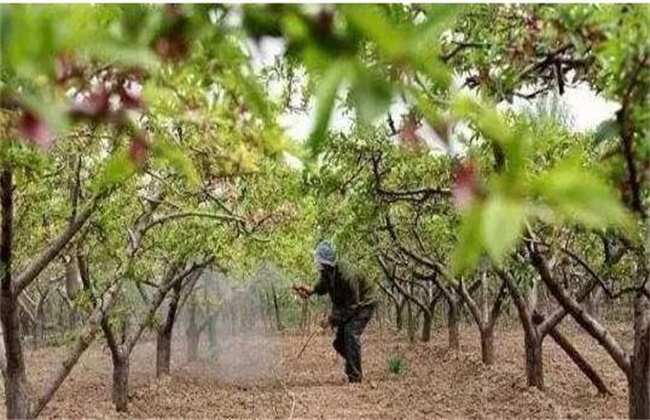
I. Base fertilizer
Base fertilizer is the main fertilizer for apricot trees throughout the year. It is generally dominated by slow-release fertilizers rich in organic matter, such as barnyard manure, compost, and human excrement and urine, and can also be mixed with part of nitrogen fertilizer to speed up the fertilizer effect. However, calcium superphosphate and bone meal will chemically combine with calcium and iron elements in the soil after application and are not easily absorbed by apricot trees, so to give full play to the fertilizer effect, they can be piled up with base fertilizer to decompose, and then used as base fertilizer. Base fertilizer is best applied in autumn, plowed in during September to October; applying it too early when temperatures are higher is not conducive to the plant overwintering. After base fertilizer is applied, it can increase the nutrients stored in the tree, which is extremely beneficial for flower bud differentiation, flowering and fruit setting, and new shoot growth in the coming year.
II. Topdressing
Topdressing is also called supplementary fertilizer. Base fertilizer releases its fertilizer effect steadily and slowly. When apricot trees have a high fertilizer demand, fertilizer must be supplemented in time to meet their growth and development needs. Topdressing is divided into several stages.
1. Pre-flowering fertilizer. Fertilization before bud break is generally done half a month before flowering, usually applying 500 grams of nitrogen, 300 grams of potassium, and 200 grams of phosphorus per tree, which can be mixed with human excrement and urine. After fertilization, spray New High Lipid Film to promote the tree's absorption and utilization of fertilizer and water.
2. Post-flowering fertilizer. After flowering, apricot trees have consumed a lot of nutrients. After the flowers fall, the expansion of young fruit and the vigorous growth of new shoots both require more fertilizer. Generally, 15-20 days after flowering, apply 0.5-1 kg per tree and 0.25 kg of boron fertilizer, and at the same time spray New High Lipid Film and Zhuangguo Ling liquid, which can prevent flower and fruit drop.
3. Stone-hardening fertilizer. At this time, the apricot tree is vigorous, and the fertilizer demand is extremely high. At this stage, fertilization should be mainly potassium fertilizer, supplemented by nitrogen and phosphorus, applying 300-500 grams of potassium chloride per tree.
4. Fruit-promoting fertilizer
15-20 days before fruit harvest, the fruit expands rapidly. Applying potassium fertilizer at this time can effectively improve yield and quality. Generally, for every 50 kg produced, apply 150 grams of potassium fertilizer.
5. Post-harvest fertilizer. After harvesting the fruit, nitrogen and phosphorus should be the main nutrients, applying 1 kg per tree and 0.5-1 kg of phosphate fertilizer, and spraying New High Lipid Film can enhance the plant's overwintering ability.
6. Supplementary foliar fertilizer. From leaf unfolding to 20 days before leaf fall, apricot trees can be sprayed with foliar fertilizer to supplement boron, zinc, manganese, and potassium, with good results, but pay attention to the concentration.
The above is an introduction to fertilization methods for apricot trees. We hope it helps you. For more related knowledge, please stay tuned to us.