A Comprehensive Analysis of the Key Points of Grape Pruning Techniques
In recent years, the market demand for grapes has been growing, so their planting area has also been continuously expanding. More and more people are now growing grapes, but many beginners are unfamiliar with the cultivation techniques. Grape management work is very important and directly affects the yield, especially pruning. Reasonable pruning can improve air circulation and light penetration, so today I have brought you the key points of grape pruning techniques. Let's take a look below!
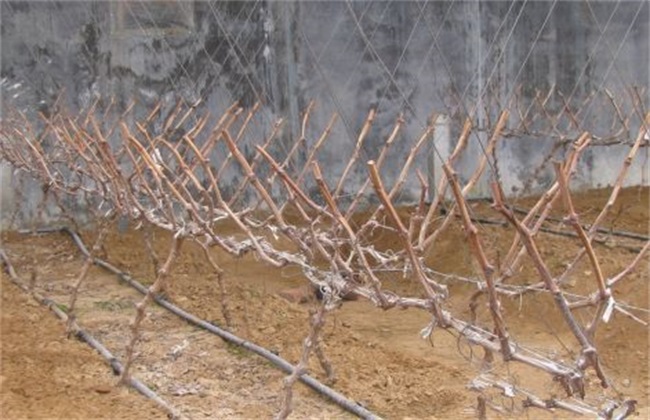
1. Pruning time
Grape pruning time is divided into two periods, generally carried out in autumn and winter and in summer. When pruning, the pruning time should be reasonably adjusted according to the planting region. If planted in the north, because frost comes relatively early, pruning should begin before the soil freezes. In the south, it should wait until all the grape leaves have fallen and new buds are sprouting. The pruning time should not be too late; if too late, a late spring cold snap is likely to occur in spring. This causes grape bleeding and consumes too many nutrients. If pruning in summer, it is mainly based on bud removal and branch thinning.
2. Trunk pruning
When planting in the south, after all the grape seedlings of the year are fully planted, trunks of different specifications should be cultivated according to specific requirements. In the first year after planting, several trunks of varying lengths should be cultivated, and then 2 main canes should be cultivated at the top of the trunk. When they grow to about 1 m, pinching should be done, and after entering winter, short pruning should be carried out at 90 cm on the main canes. If in the north, then we should prune the trunk to an angle of about 20 degrees to the ground. Then after sprouting, do a good job of bud removal, mainly focusing on buds within 50 cm of the trunk.
3. Winter pruning
During winter pruning, for robustly growing main canes, short pruning should be done at about 60-70 cm. Weakly growing main canes should be adjusted appropriately according to the actual situation. Then pruning should continue with the aim of cultivating them into main canes. If the number of main canes in that year is insufficient, then about 3 buds can be left at the base of one-year-old main canes for cutting. This increases the number of main canes in the second year, and starting from the second year, select one robust main cane as an extension branch for cultivation. After entering summer, pinch at a position of about 0.7 m on the extension branch of the main cane.
4. Pruning of vigorously growing trees
For vigorously growing grapevines, the side canes should be dealt with first, and about 5 buds should be retained on the side canes for short pruning. If the growth is weak, then the number of retained buds can be appropriately reduced to 3, laying a foundation for cultivating fruiting branch groups. Then in the second year, begin with the new main canes growing from the base, and in the third year retain side canes again. Then use this method every year to cultivate canes and fruiting mother branches. Ensure the trellis surface is fully uniform. When there are about 3 branch groups, the shaping and pruning work is basically complete. Afterward, prune the extension branches according to the length of the fruiting mother branches to maintain the tree shape.
The above is a brief introduction to the key points of grape pruning techniques. Grape pruning work is very important. We should aim to improve air circulation and light penetration, promote flowering and fruiting, and increase yield. That is all for today's introduction. This article is for reference only, and I hope it can help everyone!