Key Points of Melon Irrigation Technology and Detailed Watering Methods
During melon cultivation, a large amount of water is needed, and the water contained in the soil itself depends on rainfall, so it is not enough to supply growth. Artificial irrigation is needed to meet the demand. However, since melons also have a limited water requirement, too much water easily causes fruit cracking, so the soil moisture content needs to be reasonably regulated to control good growth.
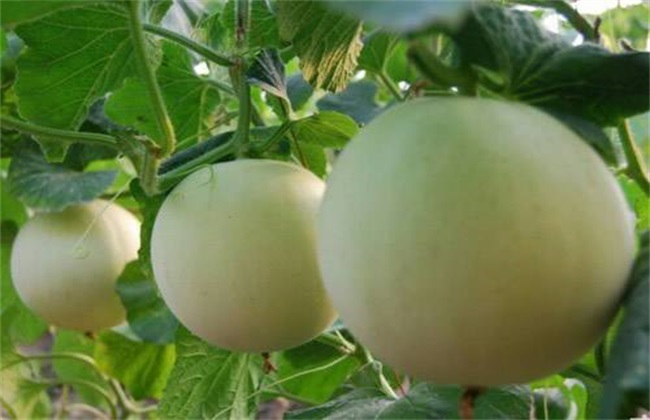
I. Water Requirement Characteristics
Melons need enough water to grow, but they are also afraid of waterlogging; waterlogging causes root rot, and too much water causes fruit cracking. They are relatively drought-tolerant and high-temperature-tolerant. Melon leaves are large and the stems are mainly composed of water. In the early stage, growing stems and leaves requires frequent watering to keep the leaves open for good photosynthesis to produce nutrients. The stems need a certain amount of water to transport and transfer materials. The flowering period does not need too much water, as it easily causes flower drop. In the later stage, the fruit needs enough water. But do not overdo it.
II. Irrigation
1. Seedling stage
At the seedling stage, water less and carry out hardening of the seedlings to improve disease resistance. Supplying a small amount of water to the root system is beneficial for root development and promotes plant growth. Field drip irrigation can be used, in small amounts but lasting.
2. Flowering period
During the flowering period, generally do not water or water less. Watering too much easily causes flower drop and reduces the fruit-setting rate. Unless drought occurs during the flowering period and flowers cannot open, then water appropriately at night to maintain normal development.
3. Fruiting period
When fruit setting is general, watering should be done once a week to meet the demand, until the fruit stops growing or until the fruit turns yellow. Sprinkler irrigation can be used directly, as it will not impact the soil or damage the roots.
III. Precautions
Each irrigation must be thorough, wetting all the root systems; it cannot be dry at times and wet at others, which would cause uneven growth. To save time and effort and for good absorption, chemical fertilizers can be dissolved in the irrigation water and continuously absorbed through drip irrigation. Do not water when the temperature changes abruptly, as it will affect soil temperature. In cases of excessive drought, the watering amount should be gradually increased at night to restore the plants. For compacted soil, water thoroughly before intertillage.
Mastering the water for melon planting irrigation is very important; it must be controlled at the most suitable state of being sufficient but not excessive. Therefore, the methods introduced above should be used for irrigation. Only then can a good growth state be achieved.