Detailed Explanation of the Causes of Banana Water Rot and Prevention Methods
June to August every year is the hot and rainy season, and also the season with a high incidence of banana water rot. Bananas that have water rot often cannot be sold normally, which is a huge loss for both growers and wholesalers. So what causes banana water rot? How should it be prevented? Let's take a look.
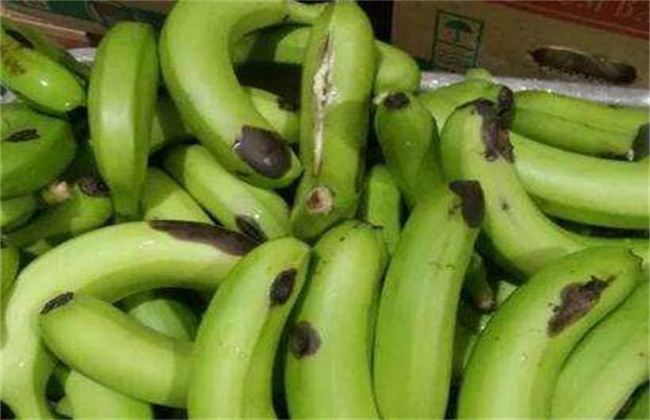
I. Causes of Water Rot
1. Improper fertilizer and water management
Improper fertilizer and water management during banana cultivation causes the banana peel to become damaged, making water rot extremely likely; improper field management leaves bananas affected by disease; failing to grasp the harvest timing means bananas become overripe and are extremely prone to water rot during storage and transport, or harvesting on rainy and foggy days can also lead to water rot. Overall, the banana industry generally concentrates a great deal of manpower and resources on the front end, while later-stage harvesting, packaging, preservation and logistics are relatively rushed, which very easily leads to banana water rot.
2. Improper washing
After harvesting, bananas need to be washed and soaked and coated once with a preservative and fungicide to ensure they stay fresh during transport, but if the water is not blown dry, a lot of moisture will remain in the packing boxes, and combined with the economic losses caused during transport, water rot is extremely likely to occur.
II. Preventive Measures
1. During planting
Preventive measures for the rainy season should be taken during planting, with timely drainage to avoid soaking the bananas. Fruit growers should not excessively pursue yield and thereby over-fertilize the bananas. Generally, shipping is best when bananas are 60-70% ripe. Nitrogen fertilizer application should be controlled during banana growth, and no further fertilizing should be done before harvest.
2. Harvesting
Operations such as harvesting, loading and washing bananas should be planned and standardized to avoid unnecessary losses that give pathogens an opportunity. After soaking in preservative, the bananas should be drained to reduce the moisture content in the boxes and lower the incidence of water rot. The harvest time should preferably be chosen on a sunny day or a day without rain.
3. Transport
During transport, attention should be paid to high-temperature weather, and prolonged exposure to strong sunlight should be avoided as much as possible. Cold-chain transport should be chosen as the main method, and transport time should not be too long.
3. Sales
After arriving at the destination, the bananas should be placed in cold storage as soon as possible. At the same time, the storage time and the gas content in the cold storage should be controlled to keep the bananas as fresh as possible, and they should be sold as early as possible. Mechanical damage should be reduced during handling.
The above is an introduction to the causes of banana water rot and prevention methods. We hope it helps you. To learn more related knowledge, please follow us.