When to Fertilize Lychee? Detailed Explanation of Fertilization Periods and Methods
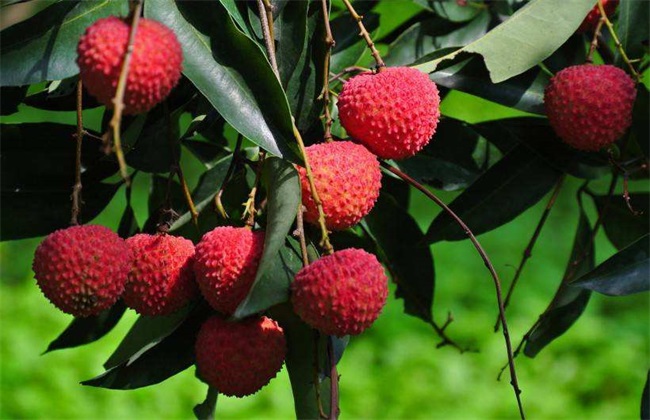
Lychee is a fruit that many people enjoy eating very much, and it is also a fruit in summer that can compete with watermelon for the market. At present, the lychee planting area is very extensive, and the market price only rises without falling. So now more and more people are growing it. When growing lychee, fertilization work is very important and is very important for the growth of lychee. So how should lychee be fertilized? Let's take a look together with the editor below!
1. One month after planting
About one month after the lychee seedlings are planted, fertilization can begin. Within 2-3 years, fertilization is aimed at increasing the number of roots and promoting the growth of branches and shoots. When the terminal buds of the branches and shoots begin to sprout, apply an appropriate amount of quick-acting fertilizer to promote the growth of new shoot leaves. When the new shoots stop growing and the leaves begin to turn green, fertilize again to promote the leaves turning green and make the branches thick and strong. After they successfully turn green, topdress again to promote the maturation of the new shoots. Because in the first year after planting, the root growth ability of lychee seedlings is relatively weak, so attention should be paid to controlling the amount of fertilizer applied.
2. Two years after planting
One to two years after planting, strengthening water and fertilizer management is the key to ensuring root group and branch and shoot growth. After the seedlings survive, because the root group development is not yet mature, the absorption capacity is also relatively poor. Therefore, do not apply too much fertilizer. Mainly use decomposed farmyard manure, combined with nitrogen fertilizers such as nitrogen, phosphorus and potassium, and follow the principle of applying more frequently and in small amounts. In the first year, a small amount of dilute fertilizer water can be applied every month. Then from the second year, topdressing should be carried out purposefully, for example, increasing root mass and promoting greening. Carry out corresponding topdressing work according to the growth stage of lychee to meet the nutritional needs of lychee.
3. Fertilization amount
The amount of fertilizer applied each year is different. In the first year, the urea amount should be kept at about 20 g. If it is compound fertilizer, then about 10 g more can be appropriately added. Or appropriately add about 220 g of phosphorus and potassium fertilizer to dilute manure water. The fertilization amount per lychee plant should be controlled at about 2-4 jin. Then starting from the second year, the fertilization amount should gradually increase, increasing by about half on the basis of the first year. When fertilizing in the first year, the fertilizer should be mixed with water and applied by splashing. Then in the second year, the fertilization method can be changed to trench application, and appropriate watering should be done after fertilization.
4. Foliar topdressing
Lychee leaves have a relatively large demand for fertilizer, and their absorption and conversion capacity is also relatively strong. So when growing lychee, we should also appropriately carry out foliar topdressing. Foliar fertilizer is mainly 0.2% urea and about 0.4% phosphorus and potassium fertilizer. Reasonable spraying of foliar fertilizer can effectively promote the maturation of branches and shoots. However, attention should be paid to the concentration. If the concentration is too high, it is easy to cause leaf burn, so the concentration should be appropriately reduced during high temperature and drought. And because the root capacity of young trees is not strong, attention should also be paid to watering during drought to prevent the plants from drying up and dying due to excessive drought.
The above is a brief introduction to lychee fertilization periods and methods. The fertilization work for lychee is very important, and attention should also be paid to watering. Water and fertilizer work should be carried out together as much as possible to meet the nutritional and water needs of lychee. That is all for today's introduction. This article is for reference only, and I hope it can help everyone!