A Detailed Explanation of Sea Buckthorn Berry Planting Techniques and Management Methods
Sea buckthorn is a drought-tolerant, wind-and-sand-resistant shrub that can survive on saline-alkali land, so it is used for windbreak, sand fixation and soil and water conservation. At present, it is widely planted in northwestern China for greening deserts and the Gobi. The sea buckthorn berries it produces have an extremely high vitamin C content and also have the effect of lowering cholesterol and relieving angina pectoris, so they are widely used in the food and pharmaceutical fields. So how should sea buckthorn berries be planted? Let's take a look together.
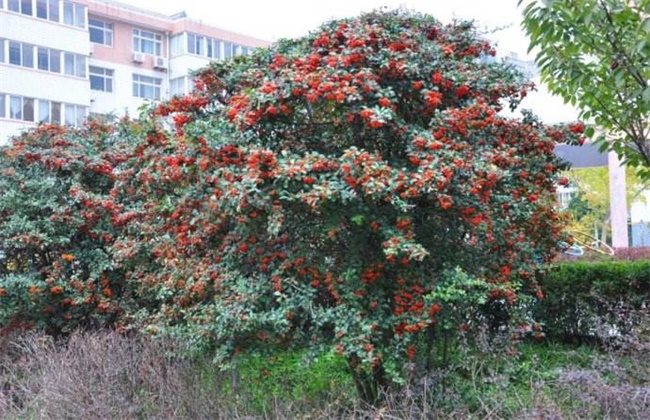
1. Preparatory Work
Sea buckthorn is a sun-loving tree species that needs light. It has low requirements for soil and can grow normally in gravelly soil and mildly saline-alkali soil, but it does not like overly heavy clay soil. It has low requirements for temperature and can survive at -50°C to 50°C. When planting, combine it with land preparation and apply 2500-4000 kg of decomposed farmyard manure per mu, applying it into the bottom of the ridge. Be careful to mix it evenly with the soil to avoid burning the roots.
2. Seed Germination
Before sowing, select fresh seeds free of pests and diseases. Sowing can be done in spring, summer and autumn, but spring is preferable. Generally, the sowing rate is about 4 kg per mu. To improve the germination rate, soaking and germination-promotion work should be done before sowing. Soak the seeds in a potassium permanganate solution for 2 hours, then remove them and carry out germination-promotion work. Generally, the sand-mixing method is used: mix the seeds with wet sand at a ratio of 1:3 and pile them in a sunny place, covering with plastic film to keep them warm and moist. Generally, turn them once a day, and when one third of the seeds have cracked open, they can be sown.
3. Sowing and Raising Seedlings
To facilitate seedling growth and management, sowing should adopt wide row spacing and a broad sowing width. Sow the seeds evenly into the furrows, then cover with 2-3 cm of soil and press gently with your hands so that they make full contact with the soil. Water thoroughly once before sowing, and after the soil dries, level it and sow. After sowing, cover with rice straw to help emergence. Remove it gradually as the seedlings emerge to avoid sunscald. When sowing in spring, spray water to maintain moderate moisture. Generally, seedlings emerge in one week and a full stand is achieved in half a month.
4. Cultivation Management
The planting density should be determined according to the vigor of the variety's tree. To improve pollination quality, a row of pure female plants should alternate with a row of mixed male and female plants when planting. When planting, dig the planting holes well, and apply fertilizer and water. In the first few years before fruiting, do a good job of cultivating and weeding. In areas with better conditions, apply some urea after rain to promote growth. In spring, carry out light pruning, cutting off excess dry branches and pest- and disease-damaged branches, so as to improve the plant's ventilation and light penetration and reduce the harm of pests and diseases. Treat pests and diseases promptly with pesticide sprays.
The above is an introduction to sea buckthorn berry planting techniques. We hope it can help you. To learn more related knowledge, please follow us.