Detailed Explanation of Kumquat Planting Methods and Key Technical Points
The kumquat is a type of citrus, commonly known as the small orange, but the kumquat is very different from other oranges. Its peel can be eaten directly or used as medicine, making it a health-promoting fruit, generally cultivated commonly in the south. But it also has a certain market prospect in the north. The price is better, and the economic benefits are high. When actually planting, how should it be done? Let's go and take a look together now!
I. Selecting Seeds
You can select seeds from fruits harvested the year before last that are large and plump, with glossy skin, normal and disease-free. Cut the fruit open, take out all the seeds, and wash off the mucus with alkaline water. Then remove the shriveled and incomplete seeds. Air-dry the plump seeds and they are ready for sowing.
II. Selecting the Orchard
For establishing the orchard, it is best to plant on a broad plain or a small slope. The soil layer is required to be loose and deep; some gravel can be added to increase the soil's permeability, and for poor soil, it can be improved with fertilizer before planting. Harvesting, transport and seedling transport must be convenient, and ideally there should be a road for transportation. Before sowing, plow the whole orchard, and then planting ridges can be established; the ridges are generally about 5 cm, and there is no need to specially leave furrows.
III. Planting Methods and Management
1. Sowing and Fertilizing
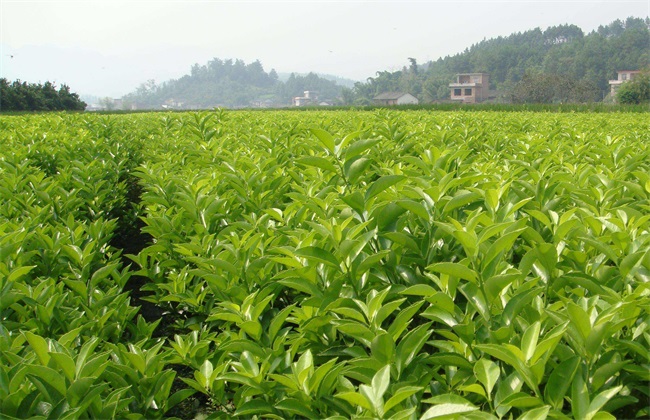
Generally sow in spring and autumn; in spring from March to April, and in autumn from October to November. It is best to plant in spring for a high survival rate. Before planting, apply about 70% of the base fertilizer needed for the whole year; the fertilizer is generally made by composting disinfected and decomposed crop straw, grain husks and the like. Generally, fertilizer is applied in strip trenches. Direct broadcasting, dibbling or drilling are all acceptable. After sowing, water and cover with dry grass to maintain moisture. When the seedlings grow to about 20 cm, they need to be heeled in. Before emergence, apply light fertilizer water frequently. This satisfies seed germination. After emergence, topdress in real time, but the concentration must not be too high, or it will damage the roots. At this time, weeds can be pulled out to avoid competition for fertilizer. Afterward, apply fertilizer and water according to the soil's moisture and fertility.
3. Survival
After emergence, promptly check the emergence rate and reseed if necessary. If there is any disease infection, spray pesticide in time for prevention and control. Keep upright growth, and prune forked and excessive growth. When the heeled-in seedlings grow to 80 cm tall, they can be transplanted to the field. When transplanting, carry a soil ball of about 30 cm; the planting pit is twice the depth and width of the soil ball. Plant straight and upright, apply rooting fertilizer and water once, and observe the survival situation.
The above content mainly discusses the entire planting process of kumquats from sowing to emergence, growth and transplanting. Thinking back to your actual planting situation, is it the same? You can compare and choose a better planting method.