How to grow chestnut seedlings from seed? Key technical points explained
Chestnuts have a very long history in China, with a cultivation history of nearly 4000 years. There is a certain planting area in every province of China, and the annual market demand for chestnuts is now growing larger and larger. So many growers are constantly expanding their planting area. If you want to expand the planting area, then seedling raising work is indispensable. Today, the editor brings you the seedling-raising techniques for chestnut seeds. Let's take a look below!
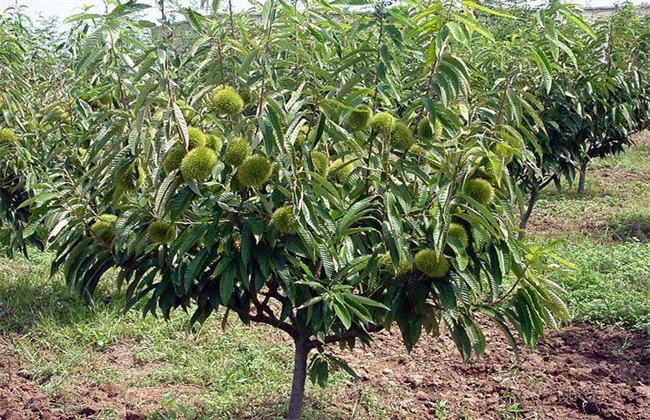
1. Site selection and land preparation
First, we need to choose a good seedling-raising site for chestnuts. The seedling site should be based on sufficient soil fertility, thick and soft soil, and normal drainage and irrigation, and the soil pH should be controlled at around 6. Then, in the winter of the year before sowing, apply sufficient base fertilizer in the field, and control the amount of fertilizer according to the planting area, keeping it at about 7500kg per mu. Then do a good job of land preparation in the spring of that year, plow the soil deeply, and eliminate pathogens in the soil. Make the soil fine and level, and dig water ditches well. Then make seedbeds 0.5 m wide and 0.15 m high, keep walking paths, and complete soil disinfection 4 days before sowing.
2. Seed collection and storage
Every autumn when the chestnut trees mature, do a good job of retaining seeds. Select mature and plump chestnut fruits as seeds, pick out the seeds with insect damage, disease, and wounds, then soak the healthy and normal seeds in a potassium permanganate solution for about a quarter of an hour for disinfection. Finally, store the seeds in a low-temperature environment such as a cellar. The main storage method for chestnut seeds is layered storage, with a layer of wet sand spread in each layer, and the wet sand should be at a degree where it forms a ball when held in the hand. Then during storage, pay attention to doing a good job of preventing rat damage, diseases, and insect pests, and control temperature and humidity well to prevent mildew.
3. Timely sowing
After the land is prepared and disinfected, sowing can begin when more than half of the seeds have germinated. Before sowing, first pick out the moldy and damaged seeds to improve the rate of uniform emergence. Then dig seedling furrows on the seedling bed at a well-controlled density, sprinkle compound fertilizer into each furrow, and control the amount well. After fertilizing, cover the fertilizer with a layer of fine soil to prevent the seeds from directly contacting the fertilizer. Then place the seeds in the seedling furrows with the belly facing down, with row spacing controlled at about 7 cm. Then cover the seeds with about 2 cm of fine soil, and then cover with grass to improve heat and moisture retention and prevent soil compaction.
4. Management after sowing
After sowing, the seeds generally break through the soil and emerge in about 40 days, and in April it is the early growth stage of chestnut seedlings. At this time, pay attention to doing a good job of cultivating and weeding, thinning seedlings, and preventing diseases and insect pests. Ensure the healthy growth of the seedlings; then in June, chestnuts enter the rapid growth stage. At this time, the growth rate of chestnut seedlings accelerates, so do a good job with water and fertilizer to meet the water and nutrient needs of chestnuts. Apply nitrogen fertilizer at the right time, and after watering and fertilizing, pay attention to appropriate watering to prevent excessive heat from burning the seedlings to death. After entering August, control the amount of water and fertilizer well to prevent excessive nutrients from causing excessive vegetative growth of chestnut seedlings.
The above is a brief introduction to chestnut seed seedling-raising techniques. There are many methods for raising chestnut seedlings, among which grafting and others are also common. We should reasonably choose the seedling-raising method according to our own planting techniques, environment, and other various factors. That is all for today's introduction. This article is for reference only, and I hope it can help everyone!