Detailed Explanation of Key Techniques for Growing and Managing Strawberries in Pots
Strawberries are a fruit that people love, and they are generally grown in open fields or in greenhouses. However, in recent years, because urban soil is limited, potted strawberries have become popular in cities, and many people like to grow a few pots at home. Pot cultivation requires attention to more issues, so how exactly should they be managed?
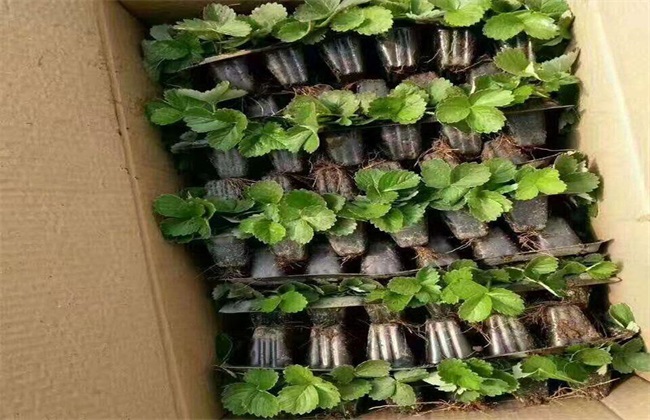
1. Choosing Containers
Clay pots and plastic pots are both fine, but the pot opening should generally be 20 to 30 cm wide. The main ingredients of the potting soil for strawberries are a certain amount of sand and gravel, cake fertilizer, bacterial fertilizer, and microbial fertilizer. You can choose varieties with strong disease resistance and low water requirements, such as Changhong No. 2.
2. Cultivation Techniques
Potted strawberries can be cultivated in all four seasons of the year. Sowing and cultivation can be done directly. However, it is best to lift seedlings from the garden for cultivation in winter. Choose good seedlings, lift them with a clod of soil, keep about 10 cm of roots, remove old and diseased leaves, spread the roots out, and plant them in the pot. The planting depth should be at the root crown. Plant straight and upright, and press the soil down. The pot rim should be about 2 to 3 cm above the soil. After planting, water thoroughly to settle the roots, place in a shaded spot for one week, then move to a place with good light.
3. Fertilizer and Water Management
Strawberries bloom and bear fruit multiple times a year, consuming a large amount of nutrients. Peanut shells, bean cake, and similar materials can be used after being fully composted and fermented, or a compound fertilizer can be applied once a week. For outdoor pots, water in the morning and evening, and do not use tap water.
4. Plant Management
At the right time, remove leaves and stems, thin out ineffective flowers, and remove old leaves, residual leaves, and diseased leaves to reduce nutrient consumption and increase fruit yield. Wire or bamboo skewers can be used to make different trellises to encourage air circulation in the plants, allow them to receive light, and increase sweetness. This prevents soil from sticking to them and reduces pests and diseases. It can also improve ornamental value.
5. Repotting
After 2 to 3 years of fruiting, it is best to replace the growing medium in the pot. First tilt the pot and tap the pot wall lightly to loosen the soil, then gently hold the base of the plant stem and take out the entire root ball, then lightly tap the soil, take out the seedling, cut off aged roots, dead roots, and diseased roots, and replant it in new potting soil.
6. Temperature and Humidity
Potted strawberries generally require a temperature of 20-25°C, and in winter the room temperature should be kept above 15°C. The flower pot should be placed in a ventilated and sunny place, and the potting soil should often maintain 60% moisture.
Compared with open-field cultivation, potted strawberries have limited growing space and require more attention to a few more issues. Therefore, when growing them yourself, you must pay attention to the management points mentioned above so that potted strawberries can grow and develop well and produce more and higher-quality fruit.