A Detailed Explanation of Phylanthus emblica Planting Techniques and Field Management Methods
Phylanthus emblica (Phyllanthus emblica, also known as Indian gooseberry or amla) is a tropical small tree, also called oil ganzi, hui gan, and so on. The main part of Phylanthus emblica used is the fruit, and the medicinal value of Phylanthus emblica fruit is relatively high. It has various effects such as strengthening the stomach and promoting digestion, clearing heat and detoxifying. It is a plant that combines both food and medicinal uses. So how should Phylanthus emblica be planted? Below, the editor brings you the planting techniques for Phylanthus emblica. Let's take a look together!
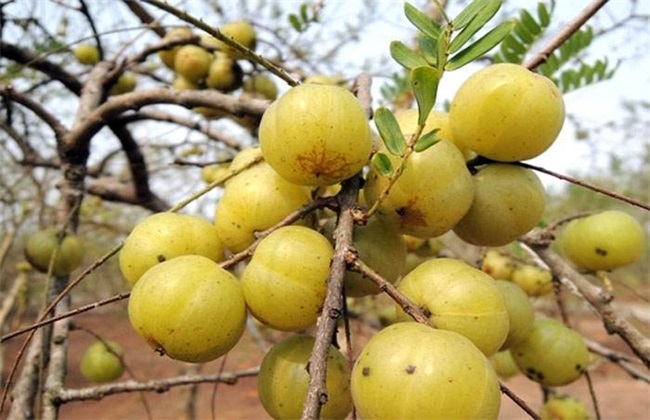
1. Site Selection and Land Preparation
Phylanthus emblica has relatively strong adaptability for growth. However, it likes to grow in a warm environment, and because it is a tropical plant, it should not be planted in a low-temperature environment. Moreover, if you want to increase the yield and quality of Phylanthus emblica, it is best to choose deep, loose, sufficiently fertile, and well-aerated acidic soil. Then plow the soil deeply by about 20 cm to improve soil quality and promote the growth of Phylanthus emblica. Then apply sufficient decomposed farmyard manure as base fertilizer, and make beds about 22 cm high to prepare for planting.
2. Seed Treatment
After the Phylanthus emblica fruit matures, harvest it, then put the fruits together to let the peel rot, and then take out the seeds. Wash the pulp on the surface of the seeds clean, place them in a cool place to dry in the shade, and then store the seeds in a cool, moist sand environment. They can be sown in the spring of the following year. However, before sowing, soak the seeds in warm water at about 45 degrees for one day for germination promotion. Then control the plant and row spacing well before sowing. After sowing, cover with soil and straw, water, and do a good job of shading and moisture retention. After about one month, the seeds germinate. Generally, after about half of the seeds germinate, uncover the rice straw to promote upright growth of the seedlings.
3. Seedling Stage Management
When the seedlings have grown about 5 pairs of leaves, begin topdressing, about once a week, appropriately increasing the amount of fertilizer and reducing the frequency according to the growth of the seedlings. Then cultivate rootstock to prepare for grafting. Grafting should be carried out in summer, which can improve the grafting survival rate. About 2-3 weeks after grafting, remove sprouts in time, check the survival status of the grafted seedlings, and perform supplementary grafting on grafted seedlings that have not survived. When the scion grows its first new leaf, begin fertilizing, also once a week, similar to the topdressing principle for seedlings. When the grafted seedlings have grown about 3 rounds of shoots and are fully mature, they can be planted out.
4. Timely Field Planting
First, we need to dig planting holes according to the planting quantity and with good control of planting density. The size and depth of the planting holes should be determined according to the root condition of the seedlings. When planting, ensure that the seedling roots can fully spread out and straighten, and do not plant too deep. While spreading the roots, cover with soil to ensure the roots can fully extend. Then lightly press the soil to increase the contact area between the roots and the soil, and ensure the seedlings are vertical to the ground. After planting, tidy the tree basin, then water thoroughly once, cover with rice straw and so on to do a good job of moisture retention, strengthen management, and improve the survival rate of field planting.
The above is a brief introduction to Phylanthus emblica planting techniques. The cultivation of Phylanthus emblica can continue to develop over a long period, but the current planting prospects are not very good, so everyone must consider carefully before planting. That is all for today's introduction. This article is for reference only, and I hope it can help everyone!