A detailed explanation of the planting methods and technical key points for Myrtle
Myrtle is also called shanren, wuduzi, taojiuniang, rensishu, and so on; many people may not be familiar with it, but it is indeed an edible berry. At the same time, myrtle also has certain medicinal value and can be used to invigorate blood, stop diarrhea, tonify deficiency, stop bleeding, and so on. However, what we want to share with you today is the planting method for myrtle. Do you know how myrtle should be planted? What issues need attention when planting it? Let us take a look together below.
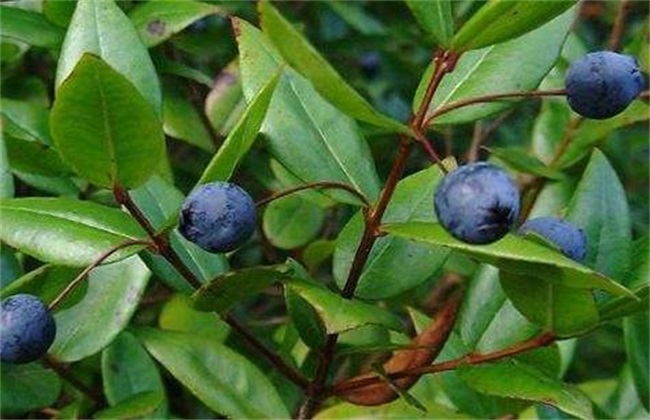
1. Site selection and land preparation
Myrtle is generally planted in Taiwan, China, Fujian, Guangxi, Guizhou, and other places in our country, which is to say it likes a warm climate. When planting myrtle, we choose a sunny slope, and the soil at the planting site is best acidic yellow loam or red loam with good air permeability, good drainage, good water retention, and rich humus content. Deeply plow the land, clean up the debris from the soil and fertilizer, and disinfect it; then add sufficient farmyard manure and a small amount of ternary compound fertilizer containing nitrogen, phosphorus, and potassium to the soil, mix evenly, break up the soil clods, open furrows and make beds, with the bed width 1.5 m and height 25 cm; finally level the bed surface, and then you can wait to plant.
2. Propagation methods
There are mainly two propagation methods for myrtle, namely seed propagation and cutting propagation. For seed propagation, we need to select seeds of excellent varieties that are plump, intact, and free from pests and diseases. Before sowing, the seeds need to be soaked in hot water at about 60 degrees for 15 minutes, then put into a chemical agent for disinfection and sterilization, and finally sown at a row spacing of 50 cm and a plant spacing of 30 cm. Cutting propagation is generally carried out in spring each year, using vigorous current-year myrtle branches as cuttings for propagation. We need to cut the cuttings into small sections of about 15 cm, then soak them in rooting solution for 15 minutes, take them out, and then carry out cutting.
3. Cultivation management
In planting myrtle, we mainly need to regulate field humidity, temperature, and fertility. Myrtle likes moisture, so the air humidity at the planting site should be at least 70 percent, but at most not higher than 85 percent. Too high field humidity will lead to root rot, while too low humidity will lead to yellowing and falling leaves, and so on. Next, myrtle likes warmth, so the temperature at the planting site generally cannot be lower than 10 degrees, otherwise growth will stop, and when the temperature is too low, frost damage is very likely to occur. Finally, its growth requires light, but the light intensity should not be too strong, so some shaded areas are needed. Finally, topdressing work should be done well to promote the growth of myrtle and increase its yield. Generally, organic fertilizer is the main type, used together with an appropriate amount of compound fertilizer.
4. Precautions
When planting myrtle, there are also many places we need to pay attention to. For example, when the weather is relatively cold, we need to build greenhouses for insulation; when using cutting propagation, the cut should be trimmed flat; if there is no natural shade, then a shade shed needs to be built; when topdressing, watering should be done well, and at the same time attention should be paid not to scatter fertilizer onto the plants, and fertilization is best done slightly away from the roots to avoid fertilizer damage.
That is all for the myrtle planting process that the editor wants to introduce to you today. If you want to understand the specific and detailed planting techniques, field management techniques, or propagation methods, remember to follow us.