What to Do If Grape Inflorescences Are Small? A Few Remedies to Teach You
The quality and quantity of grape inflorescences directly affect the later yield and quality of grapes. In many orchards, the phenomenon of few and small inflorescences is common, especially in fruit trees grown for early forcing cultivation, where the problem of no inflorescences even occurs. So what causes this? How should it be solved and remedied? Let's take a look together with the editor below.
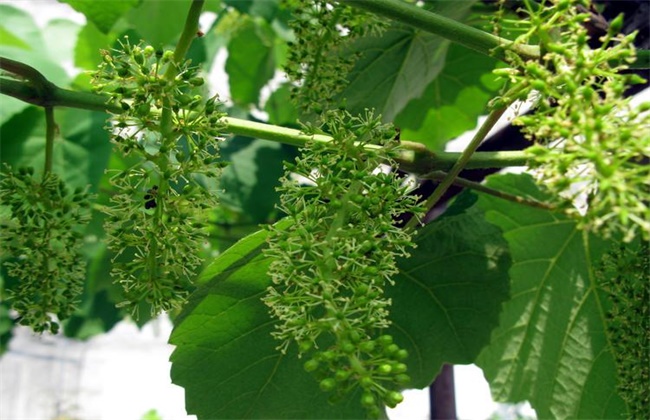
I. Causes
1. Light factors
Light has a relatively large influence on grape flower bud differentiation. Light is divided into long-day and short-day. If the orchard leaves branches too densely, insufficient light exposure will lead to few or no inflorescences the following year.
2. Nutrient factors
In grapes, flower bud differentiation, the new growth period, the flowering and fruit-setting period, and the fruit enlargement period overlap, and all of these periods require the consumption of large amounts of nutrients. If new shoot growth and fruit development gain the advantage in nutrient competition, while flower bud differentiation and inflorescences are at a disadvantage, it will cause poor nutrition in the winter buds and affect flower bud differentiation, resulting in few inflorescences.
3. Orchard management
Failure to apply base fertilizer or insufficient application of base fertilizer, excessive fruit load on the trees, excessive use of nitrogen fertilizer, neglect of organic fertilizer, and poor pest and disease control - all of these will lead to insufficient nutrient reserves in the tree, massive consumption of nutrients, and difficulty for the root system to absorb nutrients, all of which can cause grape inflorescences to shrink and degrade, or even result in no inflorescences and excessive new shoots the following year.
4. Too-early bud removal
In greenhouse cultivation, if the greenhouse is sealed and heated too early, it will cause insufficient chilling for grape flower bud differentiation, affecting flower bud differentiation. Or if bud removal and dormancy breaking are done too early, it will cause the flower buds to suffer freezing damage during the inflorescence stage, and the new growth parts will be damaged.
II. Remedial measures
For fruit trees with few sprouts and few inflorescences, beneficial supplements should be applied in a timely manner. You can apply 5 kg of balanced water-soluble fertilizer at the roots, combined with biostimulants, to make use of the root system's absorption capacity. At the same time, combine this with foliar fertilizer spraying, which can allow the fruit trees to quickly replenish nutrients and improve tree vigor as soon as possible. You can also, when new shoots have grown more than 10 leaves, take pinching measures on the fruit trees to inhibit vegetative growth, and retain 2 summer bud secondary shoots below the pinched point, to delay winter bud sprouting and promote inflorescence differentiation. For spring shoots without inflorescences, you can pinch and top them early, and reasonably increase the application of organic fertilizer and trace elements to promote the maturation of spring shoots, until secondary shoots sprout, using the secondary shoots to form inflorescences and cultivate a second batch of flowers and fruits.
The above is an introduction to what to do if grape inflorescences are small. I hope it can help you. If you want to learn more related knowledge, please stay tuned to us.