Key Cultivation Techniques and Planting Management Methods for Horned Melon
Horned melon, also known as "horned crisp," is a mid-season variety of melon. Horned melon has very strong growth capacity and produces a very large number of flowers and fruits. Moreover, horned melon has very high nutritional value, being rich in protein, vitamins and various trace elements. Once it hit the market, it became very popular with many people. So how should horned melon be cultivated? Below, the editor brings you the cultivation techniques for horned melon. Let's take a look together!
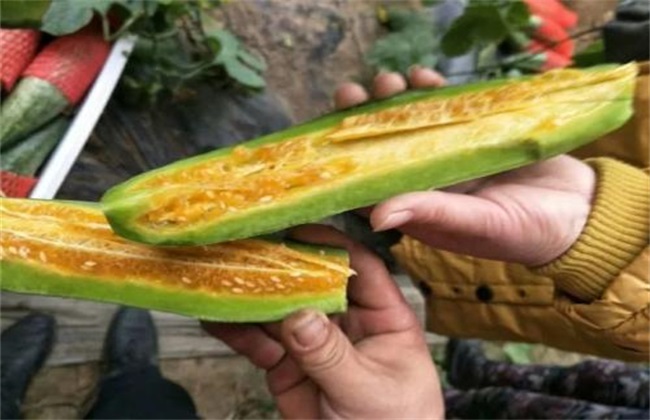
1. Site Selection and Seed Selection
Before planting horned melon, you first need to choose good planting soil. The choice of soil is very important for the growth of horned melon; horned melon should as much as possible be planted in thick, loose soil with sufficient fertility and strong permeability, then the soil should be properly prepared, and sufficient base fertilizer applied to improve soil fertility. Then you need to select good varieties; varieties should be selected from legitimate regions to ensure the seed germination rate and fruit quality. A large part of the reason why the horned melons grown by many fruit farmers are not sweet is improper variety selection.
2. Propagation Methods
The propagation method for horned melon is generally based mainly on graft propagation, usually raising seedlings around January each year, and they can be brought to market after about 4 months. For graft propagation, you first need to sow seeds in seedling plug trays in November. First put the seeds in warm water for germination, then sow at the appropriate time to cultivate the scion. Because horned melon seedlings grow rather weakly, in order to ensure that the scion and rootstock have the same thickness, we should, based on environmental factors such as the temperature of the seedling room, sow the scion about 2-3 weeks earlier than the rootstock. The main grafting method is splice grafting; control the angle of the cut well, and it should not be too small or too large, otherwise both will reduce the grafting survival rate. After grafting, do good management work, and after about one month they can be planted out.
3. Timely Field Planting
Before field planting, do the soil preparation work well, form ridges and make beds in preparation for field planting, and control the planting density well. When the soil temperature stabilizes above 14 degrees, they can be planted out, with the plant spacing controlled at about 40 cm. After field planting, water thoroughly. After entering the seedling recovery stage, do good intertillage and weeding work, then cover with plastic film and make high beds. If the soil moisture content is sufficient, there is no need to water; when the seedlings grow to about 10 cm, water them. Watering should not be done on cloudy and rainy days, and it can be combined with topdressing work to meet horned melon's needs for water and nutrients.
4. Field Management
After horned melon survives field planting, control temperature and humidity well to prevent unsuitable temperature and humidity from affecting the growth of horned melon. Then, according to the plant's growth and soil conditions, apply topdressing reasonably to provide sufficient nutrients for horned melon growth. Because horned melon is a vining fruit, pruning work also needs to be done well to improve field ventilation and light penetration, prevent excessive vine growth, and avoid reducing the number of flowers and fruits. Finally, do good pest and disease control work. If pest and disease control is improper, it will seriously affect the fruit-setting rate of horned melon and reduce planting benefits.
The above is a brief introduction to horned melon cultivation techniques. The cultivation of horned melon differs somewhat from the cultivation techniques of other melon varieties, so everyone must pay close attention! That is all for today's introduction. This article is for reference only, and we hope it can help everyone!