How to Grow Amla (Indian Gooseberry)? Detailed Guide to Planting Methods and Key Techniques
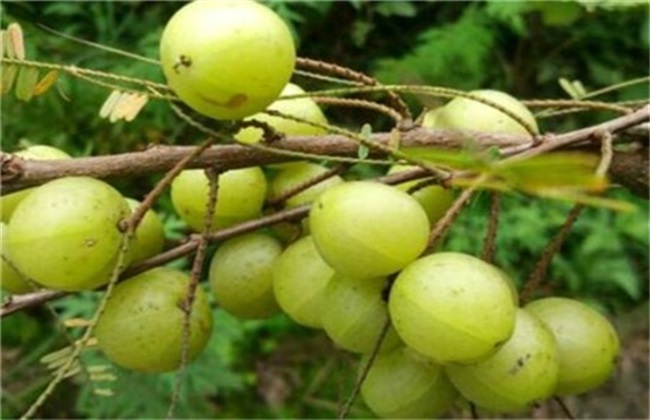
Amla mainly comes in two types: the wild "niugan guo" and the fruit-type "niugan guo," but when we cultivate it, we mainly focus on the fruit-type niugan guo. This is because the fruit-type niugan guo has larger fruit and thicker flesh, in short, high yield and good quality. So, do you know how to grow amla? How can amla be grown to improve its yield and quality? Let's learn about amla cultivation techniques together below.
1. Site Selection and Land Preparation
Amla has the characteristics of preferring warmth, moisture, and sunlight, being drought-tolerant, not cold-tolerant, and afraid of frost; therefore, amla cannot be planted in areas with frost. Amla has strong adaptability to the environment and decent resistance, so it has low requirements for soil, and general soil can be used for planting. However, it is better to choose plots with a pH of around six to eight, slightly acidic or slightly alkaline, with loose soil texture, strong water and fertilizer retention, and convenient drainage, irrigation, and transportation for planting. During land preparation, basal fertilizer should be applied together, mainly farmyard manure, and the soil and fertilizer should be mixed evenly, then trenches should be opened and beds made. The bed surface is generally about one meter wide, the trench depth is twenty cm, and finally the bed surface should be leveled.
2. Sowing and Seedling Raising
Before sowing, since amla seeds are relatively hard, the seeds need to be soaked in warm water for twenty-four hours first, allowing the seeds to fully absorb water, and then sowing can be done, which can improve the germination rate of the seeds. When sowing, we generally use the drill sowing method, so first we need to open shallow furrows at a spacing of twenty cm between each row, then pour water once in the shallow furrows, and finally sow the seeds. After sowing, seedlings generally emerge in about one month, so during the seedling stage we need to water and fertilize, keeping the soil moist and providing sufficient fertility to promote the growth of the seedlings.
3. Transplanting and Field Planting
When amla seedlings grow to about fifteen to twenty cm, they can be transplanted and planted. When pulling up the seedlings, it is best to pull them out together with the base soil, which can improve the survival rate of transplanting. When planting, field planting is generally done at a row spacing of three m and a plant spacing of two m. When planting, be sure to let the root system of the amla seedlings fully spread out, and be sure to keep the seedlings upright. After filling the soil, press the ground firm with your feet, and then water once.
4. Planting Management
After amla is field planted, check the survival status of the amla seedlings regularly and replant missing seedlings in time. One week after the amla survives field planting, carry out the first watering, and then half a month after surviving field planting, carry out the first topdressing. The topdressing is mainly nitrogen fertilizer, applied by irrigation. After the amla seedlings survive, the messy branches and leaves growing at the bottom need to be pruned off, keeping only the growth of the main branches. After the main trunk has grown, then pinch off the growing tips to promote the growth of more branches and continuously expand the tree crown, which can increase the yield of amla. Also, during the growth of the amla tree, we need to carry out three to four cultivations per year, but after fruiting, generally one to two times per year is enough. At the same time, we also need to topdress, water, and drain according to the growth period of amla to improve the resistance of the fruit tree.
The above is the amla cultivation technique that the editor wants to introduce to everyone today. I believe everyone basically understands it now. Due to limited time, not too much detailed explanation was given on the field management techniques for amla cultivation. If you need it, you can leave a comment below.