Elderly nosebleeds in winter: Eating more fruits and vegetables won't help, beware it may be a warning sign of disease
Recently, Old Dai has had a problem: frequent nosebleeds. At first he thought it was caused by the dry winter weather and eating foods that cause internal heat.
Atthe Cardiology Department of Changsha Third Hospitalafter examination, he was diagnosed with nosebleeds caused by high blood pressure. After a period of treatment, his blood pressure was well controlled, and his nose no longer bled.
Poorly controlled blood pressure triggers nosebleeds
Old Dai is 46 years old this year and has a history of high blood pressure for more than 10 years. Apart from high blood pressure, he usually has no other health problems; he can eat and sleep well.
However, this winter Old Dai gained an extra worry - nosebleeds. At first he thought it was caused by the winter being too dry or by eating foods that cause internal heat. He increased his water intake every day and consciously ate more fruits and vegetables, and ate fewer heat-inducing foods, but the number of nosebleeds did not decrease.
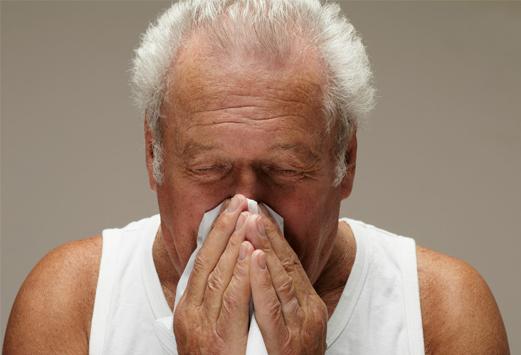
(Online image, for reference only)
He went to several hospitals for nose examinations, but there was no problem. A few days ago, he went tothe Cardiovascular Medicine Department of Changsha Third Hospital, where the hospital'sassociate chief physician of the Cardiovascular Medicine Department, Quan Yongfound during examination that the bleeding site was in the posterior part of the nasal cavity, so he suggested he undergo ambulatory blood pressure monitoring. Only then was it discovered that although Old Dai had been taking antihypertensive medication, his blood pressure had never been well controlled, and he had not monitored it regularly. The nosebleeds were caused by high blood pressure.
Physician Quan Yongadjusted Old Dai's antihypertensive medication. After half a month of treatment, Old Dai's blood pressure was well controlled, and the nosebleeds did not occur again.
Nosebleeds caused by high blood pressure are generally located in the posterior part of the nasal cavity
The winter weather is dry, and many people think nosebleeds are due to "internal heat," but that is not actually the case. For middle-aged and elderly people with a history of high blood pressure, nosebleeds in autumn and winter may be caused byhigh blood pressure.
Nosebleeds are one of the common symptoms of nasal diseases, and the usual bleeding site is in the bleeding-prone area below the anterior part of the nasal septum.
Zhang Yumin, director of the Cardiovascular Medicine Department and chief physician of Changsha Third Hospitalintroduced that nosebleeds in middle-aged and elderly people over 40 years old are mostly seen in the posterior part of the nasal cavity, just like Old Dai's. The posterior part of the nose is prone to bleeding, and this is also related to high blood pressure in elderly people.
In winter, the climate is dry and there is a lack of moisture in the nasal cavity. Many people blow their noses too hard, which can also easily cause blood vessels inside the nasal cavity to rupture and bleed.
Repeated nosebleeds are a warning sign of cerebral hemorrhage
Zhang Yuminstated that with increasing age, the incidence of high blood pressure also continues to rise, and the incidence of nosebleeds caused by high blood pressure also increases significantly.
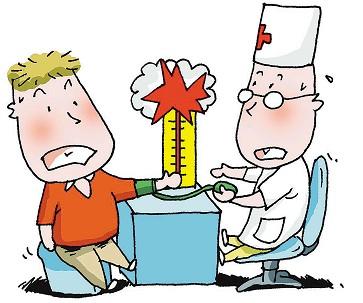
(Online image, for reference only)
What is worth being alert to is that repeated nosebleeds are a warning sign of cerebral hemorrhage. The reason is that in middle-aged and elderly people, the blood vessels in the nasal cavity harden, fibrous tissue proliferates in the vessel walls, the elasticity of the vessel walls decreases while fragility increases. When blood pressure rises and before the cerebral blood vessels rupture, a blood vessel in the nasal cavity may rupture and cause a nosebleed.
Patients with high blood pressure must regularly monitor their blood pressure while taking medication
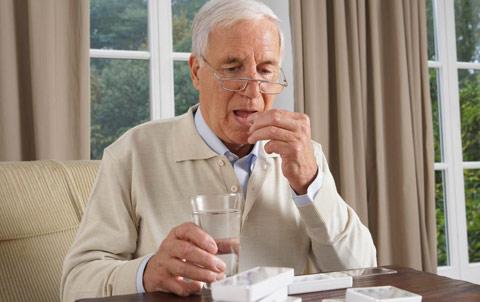
The key to treating nosebleeds caused by high blood pressure is to control blood pressure well.Zhang Yuminreminds the general public that patients with high blood pressure must regularly monitor their blood pressure while taking medication. If there are major fluctuations, please promptly go to the hospital to consult a specialist doctor.
(Online image, for reference only)
In addition, if patients with high blood pressure want to control their blood pressure well, they must persist long-term ina healthy lifestyle: First, a light diet is very important; it is recommended that daily salt intake not exceed 6 grams. Second, eat fewer greasy foods and eat more fresh fruits and vegetables. Third, control weight and exercise appropriately. Fourth, avoid fatigue and maintain a good attitude.
She suggested that patients with high blood pressure must take medication under the guidance of a specialist physician,and must not adjust the medication dosage on their own。
(Editor DBC)
Special contributor to Hunan Medical Talk: Xiao Xiaoxia, Wang Zefang of Changsha Third Hospital
Original content from Hunan Medical Talk. Please indicate the source when reprinting.
Providing authoritative, interesting, practical and timely health science information every day, so together we can gain health and happiness.