How do you pick fruits and vegetables grown with less hormones?
As people's living standards keep rising, are their demands for ingredients getting higher and higher? Food safety in our country has long been criticized? Friends who like to shop at the market, pay attention: how do you pick fruits and vegetables grown with less hormones? First, it should be explained that hormones (24-D, chlormequat, etc.) are indispensable substances in the process of crop growth, and plants themselves also secrete hormones. Of course, most hormones nowadays are artificially supplied to speed up crop growth. The use of a small amount of hormones will not affect the ingredients, but because everyone's demands for ingredients are getting higher and higher, so let me teach you a few tips for picking healthy ingredients?
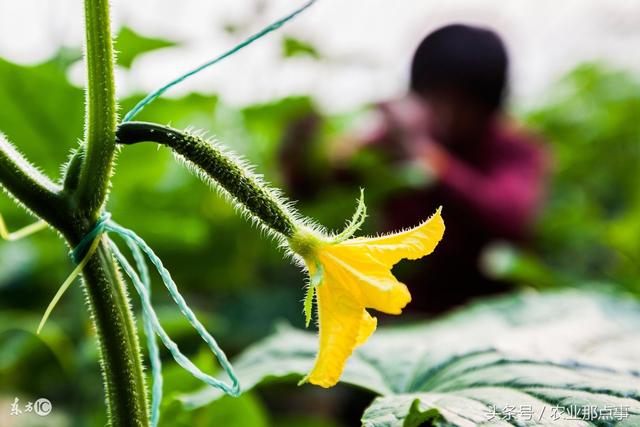
Cucumber: As a vegetable available in all four seasons, cucumber is an indispensable ingredient whether eaten fresh or stir-fried. When choosing cucumbers, be sure to choose the kind that does not have a flower on the tip. According to natural laws, after a cucumber sets fruit, the flower at the end will naturally fall off, but some growers, in order to make cucumbers look fresher, will increase the amount of hormones so that after the cucumber matures, it still has a flower at the end and looks fresher. Buying cucumbers with a flower at the end is not recommended.
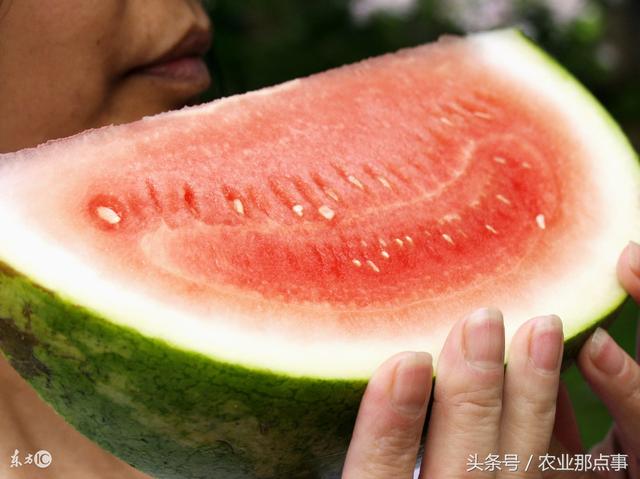
Watermelon: As a seasonal fruit, watermelon is consumed in large quantities every year. When choosing a watermelon, be sure to pay attention: after the melon is cut open,pay attention to whether the seeds inside are white. If the flesh is red and the seeds are white, it can be concluded that the watermelon did not ripen normally, and the possibility of using a ripening agent is relatively high. Of course, seedless watermelons are the exception.
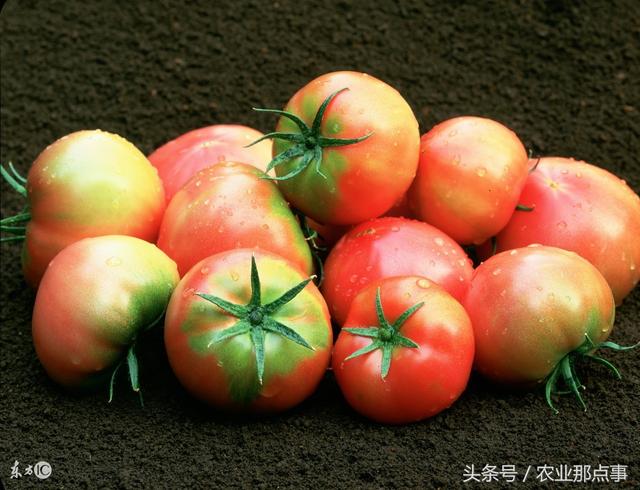
Tomato: Tomato is also a seasonal vegetable. Tomatoes have very strong antioxidant capacity, and long-term consumption can delay aging, but tomatoes are also one of the vegetables with the largest amount of hormone use at present. Generally, overwintering tomatoes will use hormones. In winter, the temperature is rather low, natural pollination works poorly, and only artificial hormone pollination can increase the fruit-setting rate, so winter tomatoes generally use hormones. Spring and summer tomatoes, because the temperature is rather high, have a high rate of natural pollination and fruit setting, and generally use very little hormone.