The correct way to wash pesticide residues off fruits and vegetables
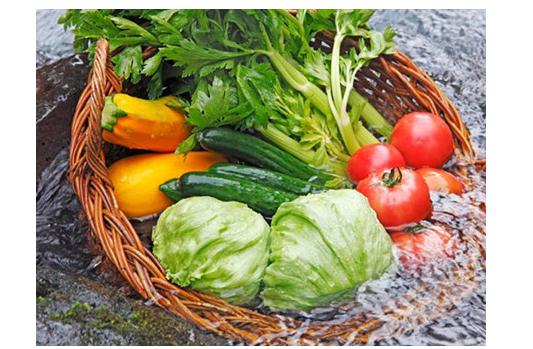
Among the many vegetables, someproneto pests and relatively difficult to control once infestedare mostly treated with pesticides for prevention and control, so these vegetables are more likely to have pesticide residues, such as choy sum, spinach, garland chrysanthemum, goji, Chinese chives and so on.
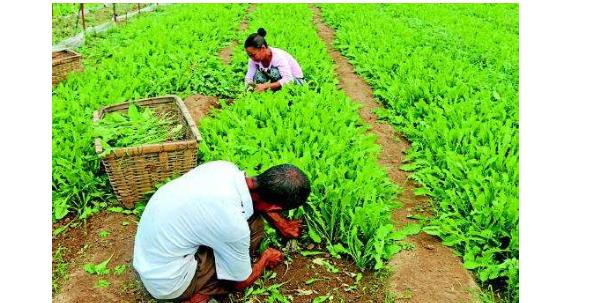
Through long-term understanding, we know that pesticides generally containorganophosphorus, organochlorine and organonitrogenand many other toxic elements. These are generally the types of components that more easily cause poisoning, but the poisoning symptoms caused by different types of pesticides also vary greatly.
Poisoning usually occurs about ten-odd minutes after eating, accompanied by symptoms such as dizziness, headache, nausea, vomiting, abdominal pain, diarrhea, chest tightness and limb weakness; in severe cases, muscle twitching, difficulty breathing, irregular heartbeat, confusion or coma may occur, and sometimes even death, so you must pay close attention.
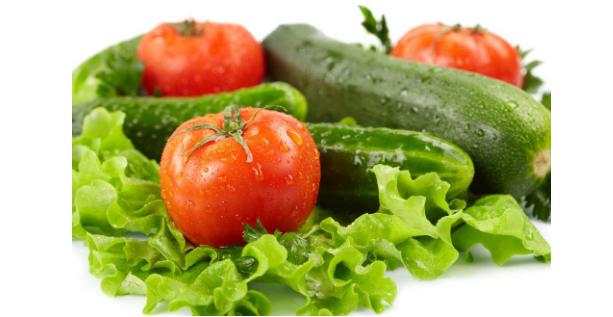
Experts point out that if symptoms of vegetable pesticide poisoning occur, induce vomiting immediately by drinking 3000-500ml of warm water, then use a finger, tongue depressor or chopsticks to stimulate the back of the throat or the base of the tongue to induce vomiting, repeating until the food in the stomach is completely vomited out. After these simple measures, the person should be sent to the hospital immediately for treatment. However, if the poisoning is severe, such as when coma or convulsions occur, vomiting must not be induced, so as to avoid suffocation caused by vomit entering the trachea.
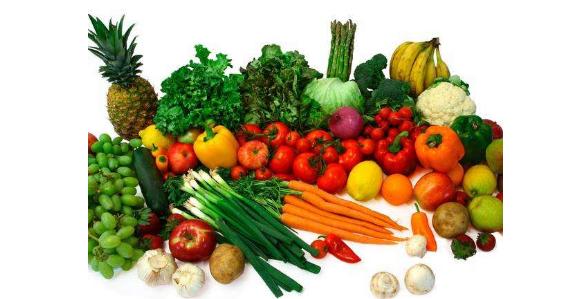
So exactly how should they be washed?
There are four specific steps:
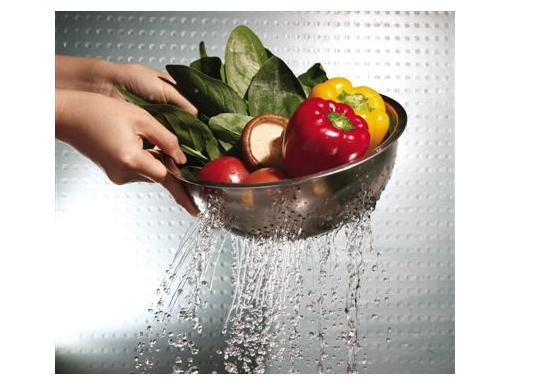
1. Wash:First use running water to repeatedly rinse off the pesticide residues on the surface of the fruit, then rinse with running water two or three more times; the running water will gradually wash away the pesticides on the surface.
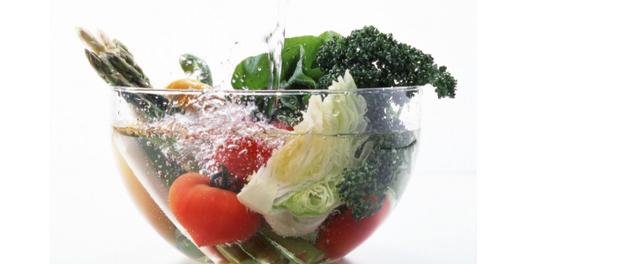
2. Soak: Soak in clean water for 15 minutes, or rinse off the surface dirt, soak in alkaline water for 15 minutes, and then rinse clean with clean water.
3. Blanch: For some pesticide residues, the best way to remove them is blanching, such as green peppers, cauliflower, green beans, celery, etc. Before putting them in the pan to stir-fry or cook, it is best to blanch them in boiling water first; according to experiments, this can remove more than 90% of pesticide residues.
4. Stir-fry: This is the cooking step, and the editor will not describe it in too much detail.
By adopting these four steps, you can generally remove the pesticide residues on vegetables by about95%or so.