Crop rotation done this way brings abundant harvests of melons and fruits with high yields
Reasonably rotating different vegetables can deprive pathogens of their hosts or change their living environment, thereby reducing or eliminating pests and diseases. For example, planting Chinese cabbage after harvesting scallions and garlic can significantly reduce soft rot. For instance, implementing grain-vegetable rotation and paddy-upland rotation is even more effective for controlling soil-borne infectious diseases.
Vegetables that belong to the same family taxonomically are not suitable for rotation. For example, tomato, eggplant, chili pepper and sweet pepper all belong to the Solanaceae family, so they are not suitable for rotation.
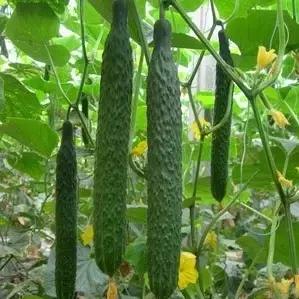
Cucumber: Spring cucumbers are mostly preceded by autumn vegetables or spring small greens and overwintering small greens, and the following crop is suitable for various autumn vegetables; summer-autumn cucumbers are preceded by various spring and summer vegetables, and the following crop is suitable for overwintering vegetables or spring small greens. Cucumber and tomato inhibit each other, so they are not suitable for rotation or intercropping.
Tomato: Rotate over 3-5 years, do not grow continuously with Solanaceae crops. The preceding crop can be various leafy vegetables and root vegetables, and the following crop can also be leafy vegetables and root vegetables. Intercrop or relay intercrop with short-stalked crops or vegetables, such as edamame, cabbage, celeriac, scallions, garlic, etc., in alternate furrows.
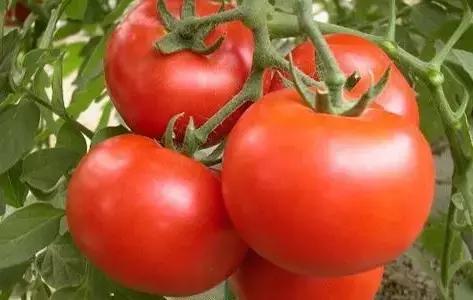
For autumn greenhouse tomatoes, intercropping small greens can lower soil temperature.
Intercropping sweet corn in tomatoes can attract moths to lay eggs, allowing centralized elimination.
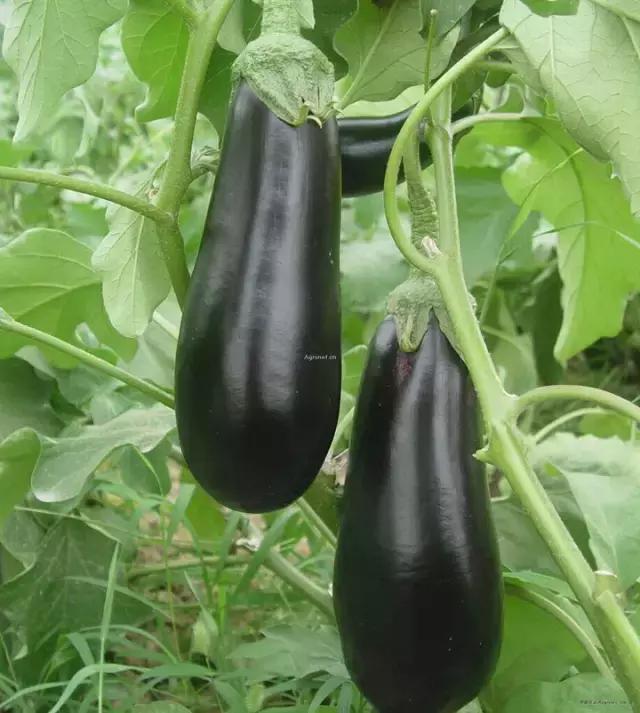
Eggplant: The preceding crop is overwintering leafy vegetables. It can also be intercropped with short-growing-period vegetables such as early cabbage, early-maturing Chinese cabbage, spring radish, water radish, cherry radish, etc. The following crop can be autumn vegetables such as Chinese cabbage.
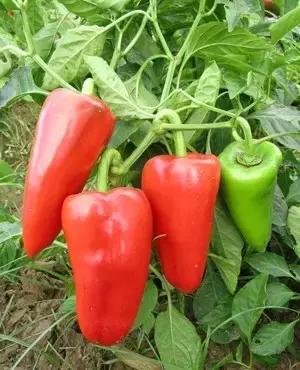
Chili pepper: Not suitable for continuous cropping with Solanaceae crops. Intercrop with leafy vegetables, root vegetables, peanuts and other short-stalked crops.
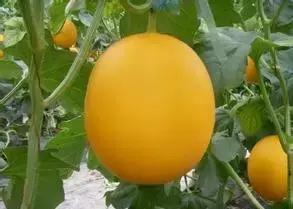
Melon: Avoid continuous cropping. Rotate over 3-5 years. Avoid following on from other cucurbit crops. For melons, leafy vegetables are best as both the preceding and following crops; following with leafy vegetables can significantly increase yield.
Legumes: Including common bean, pea, snow pea, sugar snap pea, pole bean, etc. Not suitable for continuous cropping; rotate over 3 years or more. The preceding crop is autumn-winter vegetables or fallow land.
Carrot: Autumn-winter carrots are mostly preceded by wheat, spring Chinese cabbage, spring cabbage, legumes, etc. The following crop can be wheat, onion, spring cabbage, Welsh onion, potato, etc.
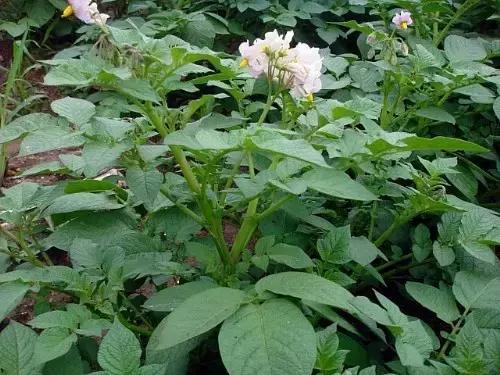
Potato: The preceding crop is alliums and cucumber, followed by cereal crops and soybean. Solanaceae crops are not suitable for rotating with each other, nor with root vegetables.
When intercropping with other crops, note: 1) Choose early-maturing, short-statured varieties. 2) Shorten the symbiotic period as much as possible, and stagger the peak periods of product organ formation. 3) Minimize competition for temperature, light, water and nutrients and interference with management.
Welsh onion: Most intolerant of continuous cropping. Requires rotation of over 3 years. Rotate with grain crops, and use the onion stubble to grow Chinese cabbage and cucurbit vegetables. During the early growth stage of Welsh onion, interplant early-maturing radish; in the later stage, intercrop overwintering crops such as spinach.
Garlic: Most intolerant of continuous cropping, or of following on from other Allium plants. For autumn-sown garlic, the best preceding crops are early-maturing common bean, cucurbits, solanaceous fruits and potato; for spring-sown garlic, the best are autumn common bean, cucurbits, pumpkin and solanaceous fruits. It is a good preceding crop for other crops.
Chinese cabbage: Rotate with rice. Not suitable for continuous cropping, nor for rotation with other Brassicaceae crops.
In rotation:1) Choose vegetables with an earlier harvest period, such as solanaceous fruits;2) Choose vegetables that received more fertilizer in the preceding crop, such as cucumber and watermelon; 3) Using alliums as the preceding crop can reduce pests and diseases. Planting Chinese cabbage on chive ridges or between garlic rows significantly reduces disease.
Pak choi and wuta-tsai: Can be rotated with cucurbits, legumes, root vegetables and field crops. Spring-planted greens can be intercropped or relay intercropped with solanaceous fruits, legumes, cucurbits, etc. Summer-autumn greens can be mixed-sown with celery, garland chrysanthemum and carrot. Early autumn Chinese cabbage in autumn can be intercropped or relay intercropped with cauliflower, cabbage, autumn potato, etc. In winter, intercrop with spring cabbage, celtuce, etc.
Shepherd's purse: For autumn-sown shepherd's purse, the best preceding crops are tomato and cucumber; for spring shepherd's purse, the preceding crop is garlic. Avoid continuous cropping.
Winter melon: Between winter melon plants, plant 5-6 ginger plants; on one side of the furrow plant kudzu, and on the other end plant taro. After April-May, intercrop winter melon in chive furrows, or intercrop chili pepper and eggplant with winter melon; intercrop tomato with winter melon; under the winter melon trellis, intercrop celeriac, celtuce, head cabbage and small leafy greens; in mountainous areas, intercrop winter melon with ginger.
Watermelon: Rotate over 5-8 years or more. Rotation crops include: wheat, rice, corn, radish, sweet potato and green manure.
Lotus root: Rotate lotus root with rice. After harvesting early lotus root, water dropwort, arrowhead, water chestnut and watercress can be planted. Lotus root is often rotated in alternate years with arrowhead, water chestnut and wild rice stem, or intercropped with wild rice stem.
Celtuce:The preceding crop can be scallion, garlic or cucumber, and the following crop can be strawberry or tomato.
Generally, leafy vegetables that require more nitrogen should be followed by solanaceous fruit vegetables that require more phosphorus. After fast-feeding cucumbers, celery and spinach, it is best to plant tomato, eggplant, chili pepper, etc., which take up more organic fertilizer.
Pay attention to the effect of various vegetables on soil acidity and alkalinity. Planting potato and cabbage increases soil acidity, while planting corn and pumpkin reduces soil acidity. Therefore, acidity-sensitive allium vegetables grown as the following crop after corn and pumpkin can achieve high yields.
Long-growing-period and short-growing-period vegetables, and heavy-feeding and light-feeding vegetables, should be reasonably combined in planting. Planting legume vegetables can increase soil organic matter content and improve soil fertility, while long-term planting of leafy vegetables that require more nitrogen will cause nutrient elements in the soil to lose balance.