Which fruits and nuts have blood-pressure-lowering and lipid-lowering effects?
Fruits and nuts with blood-pressure-lowering and lipid-lowering effects
Among melons and fruits, there are quite a few fruits that have blood-pressure-lowering and blood-lipid-lowering effects, but we must note one point: which fruits are better at lowering blood pressure while also being nutritious and rich. Below, we introduce the following fruits that lower blood pressure and protect blood vessels.
[Jujube]
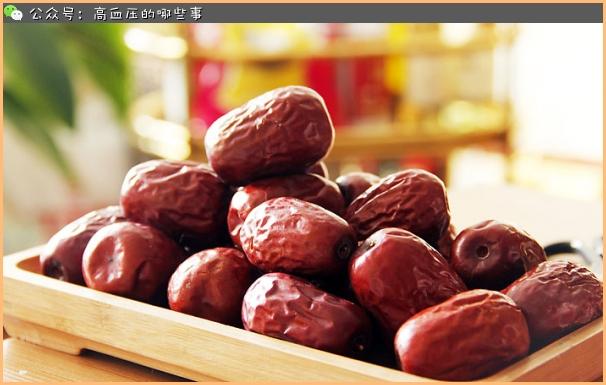
Jujube has the effects of tonifying the middle and boosting qi, nourishing blood and calming the mind, regulating ying and wei, promoting body fluids, and neutralizing drug toxicity. Taken over a long period, it can lighten the body and prolong life, and it is one of the most commonly used fruits for longevity.
Jujube contains protein, amino acids, carbohydrates, organic vitamin A, B2, C, P, trace elements calcium, phosphorus, potassium, iron, magnesium, aluminum, and a large amount of cyclic adenosine monophosphate, etc.
Fresh jujube has a sugar content of about 20%-36%, while dried jujube reaches as high as 55%-80%, higher than the content in sugar-making raw materials such as sugar beet and sugarcane; 100 grams of fresh jujube contains 1.2 grams of protein, and sour jujube contains 4.5 grams of protein; 100 grams of fresh jujube contains 380-600 mg of vitamin C, hence it is known as the "living vitamin C pill"; its vitamin P content is more than ten times higher than that of lemon, and vitamin P can strengthen the human body's capillaries and is also greatly beneficial to patients with high blood pressure and cardiovascular disease.
The pharmacological effects of jujube are as follows:
First, body-strengthening effect. Jujube has the effect of exciting and strengthening muscles. Regularly eating jujube strengthens body weight and enhances physical constitution.
Second, it has a liver-protecting effect. Eating jujube can significantly increase serum protein and protein content, and can play a role in protecting the liver.
Third, sedative and blood-pressure-lowering effect. The flavonoid compounds in jujube have hypnotic and sedative blood-pressure-lowering effects.
In addition, it also has anticancer and antibacterial effects.
[Longan aril]
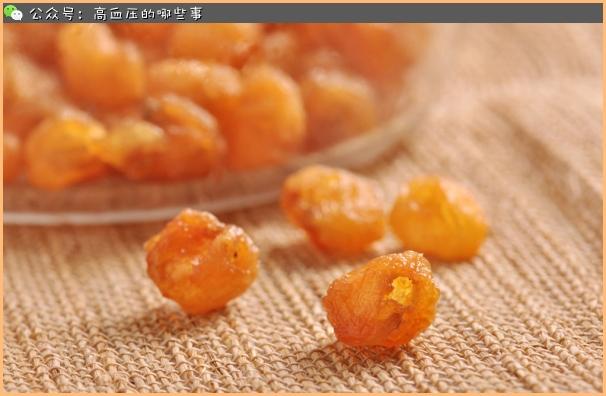
This product is the fruit pulp of longan, a plant in the Sapindaceae family, also known as guiyuan and yizhi. Longan is sweet in taste and warm in nature, and has the effects of benefiting the heart and spleen, supplementing qi and blood, and calming the mind. Taken over a long period, it has the effect of strengthening intelligence, sharpening the mind, lightening the body, and preventing aging.
The nutritional components of longan aril are indeed beyond comparison with ordinary fruits. Every 100 grams of fruit pulp contains 65 grams of sugar, 5 grams of protein, 118 mg of phosphorus, 30 mg of calcium, 4.4 mg of iron, as well as rich vitamin C and vitamins B2, A, and P. In addition, it also contains tartaric acid, adenine, choline, and fat, etc. These are very beneficial for the normal growth of the human body, ensuring nerve conduction function, promoting fat metabolism, and liver health.
The pharmacological effects of longan aril are as follows:
First, antibacterial effect. The water infusion of longan aril has an inhibitory effect on Microsporum gypseum and Shigella dysenteriae.
Second, anticancer effect. In in vitro tests, the inhibition rate against certain cancers was 90%. Longan is sweet in taste and warm in nature, so those with internal phlegm-fire or suffering from febrile diseases should not eat it.
[Walnut kernel]
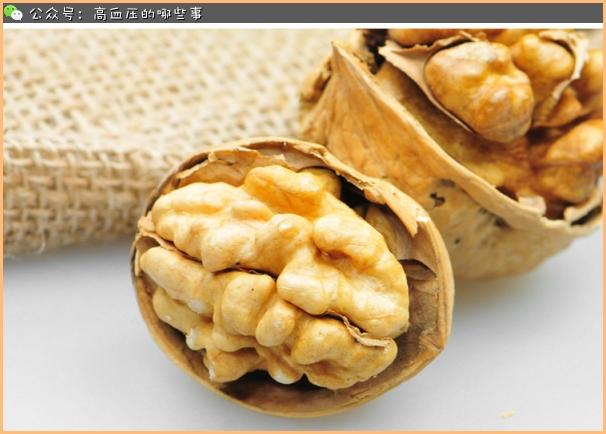
Walnut, also known as huta, is the seed kernel of the walnut plant in the Juglandaceae family. It has the effects of health care, moisturizing the skin, darkening the beard and hair, and anti-aging.
Walnut kernel contains 40%-50% fat, mainly linoleic acid and glycerides, about 15% protein, 10% carbohydrates. In addition, it also contains calcium, phosphorus, iron, zinc, magnesium, carotene, vitamins A, B1, B2, C, E, etc.
The pharmacological effects of walnut kernel are as follows:
First, blood-lipid-lowering effect. Walnut kernel can reduce the absorption of cholesterol in the intestinal tract, promote the decomposition of cholesterol in the liver, and excrete it from the body with bile, thereby reducing cholesterol and having the effect of preventing heart disease. Eating 3 walnuts a day, about 30 grams, reduces the risk of heart disease by about 10%.
Second, blood-pressure-lowering effect. The flavonoid components contained in walnut kernel have a blood-pressure-lowering effect.
Third, increasing albumin. Regularly eating walnut kernel can increase serum albumin content and body weight.
Fourth, anti-aging effect. Walnut kernel contains elements such as zinc and magnesium, which have the effects of regulating body metabolism and delaying the body's aging process. Vitamins C and E are antioxidants and can counteract the damaging effects of free radicals on cells, thus also having an anti-aging effect.
[Sea buckthorn fruit]
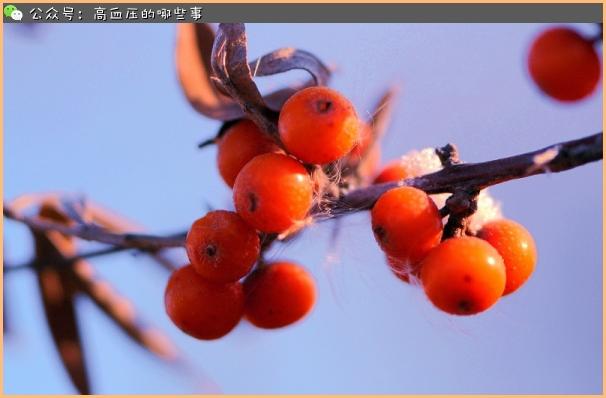
In addition to containing protein, fat, and carbohydrates, sea buckthorn fruit also contains a variety of vitamins and inorganic salts essential to the human body. Among them, the vitamin content is rich, especially vitamin C, which is almost the highest among all fruits and vegetables. Every 100 grams of sea buckthorn fruit can contain as much as 800-850 mg of vitamin C, with the highest reaching more than 2100 mg; it contains 15-220 mg of vitamin E; and its vitamin A content is equivalent to 20-30 times that of soybean oil.
Sea buckthorn fruit contains about 11% fat, most of which is composed of unsaturated fatty acids, is very easily absorbed and utilized by the human body, and can lower cholesterol and triglycerides in the blood, and can effectively prevent and treat hyperlipidemia and coronary heart disease.
Sea buckthorn fruit has very high edible and medicinal value. It can promote blood circulation and lower blood pressure, and has a significant therapeutic effect on various diseases of the cardiovascular system; it can also relieve asthma and stop coughing, and can be used to treat chronic bronchitis and coughing and asthma diseases; it can also promote digestion and strengthen the stomach, has a certain therapeutic effect on digestive system diseases, and can be used to treat gastric and duodenal ulcers, stomach pain, and indigestion, etc.; and it can prevent and treat [the following]. The fruit and drugs contain a variety of chemical components and have the effect of delaying and preventing cancerous changes.
Sea buckthorn beverages made from sea buckthorn fruit are not only unique in taste, fragrant and delicious, and suitable for all ages, but also have the effects of promoting digestion and strengthening the stomach, clearing the lungs and stopping coughing, calming the mind and lowering blood pressure, relaxing muscles and promoting blood circulation, strengthening the body and improving health, and prolonging life. Sea buckthorn oil, on the other hand, has anti-radiation and anti-fatigue effects, can enhance the body's vitality, and has special effects on treating burns and duodenal bulb ulcers, etc.
[Pine nut]
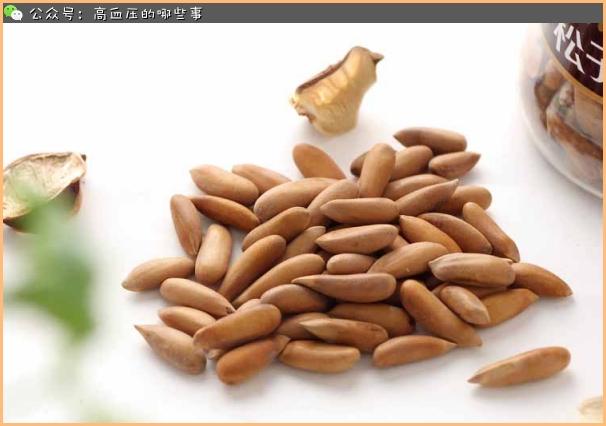
Pine nut kernel has very high nutritional and medicinal value. Every 100 grams of the edible portion contains 16.7 grams of protein, 63.5 grams of fat, 9.8 grams of carbohydrates, 78 mg of calcium, 230 mg of phosphorus, and 6.7 mg of iron.
The fat components in pine nuts are mainly unsaturated fatty acids such as linoleic acid and linolenic acid, which have the effect of softening blood vessels and preventing and treating atherosclerosis. Therefore, when elderly people regularly eat pine nuts, it has the effect of preventing cardiovascular diseases caused by high cholesterol. In addition, pine nuts are relatively rich in phosphorus, which is also beneficial to the human brain and nerves.
As a medicine, pine nut has the effects of relieving pain and promoting tissue regeneration, moistening the lungs, regulating the five internal organs, stopping restlessness and preventing coughing, and nourishing and strengthening yang. It has a certain auxiliary therapeutic effect on chronic bronchitis in the elderly, bronchial asthma, constipation, rheumatoid arthritis, neurasthenia, and dizziness and blurred vision. Using 15 grams of pine nut kernel, taken once each morning and evening, can be used to treat constipation due to deficiency in the elderly. Using 10-15 grams of pine nut kernel, 6 grams each of angelica, cassia twig, and notopterygium, adding equal amounts of yellow wine and water and decocting together, 1 dose per day, taken in 2 divided doses, can treat rheumatoid arthritis.
Things About High Blood Pressure WeChat ID sangaookThings About High Blood Pressure is a WeChat account run by a group of professional doctors, providing free knowledge on prevention and care for the three highs and health preservation. Welcome to follow.
☟ Click "Read Original Article" to see more...