Detailed Explanation of Prune Cultivation Methods and Cutting Propagation Techniques
Prunes are rich in nutrients, containing no fat or cholesterol, making them a fruit suitable for men, women, the young and the old alike. Currently, prunes on the market are basically processed products, such as dried prunes, prune juice and canned prunes. In fact, prunes can also be made into salads and pastries, which are very delicious and a favorite of many people. So how are prunes grown? Today let's learn about their cultivation methods.
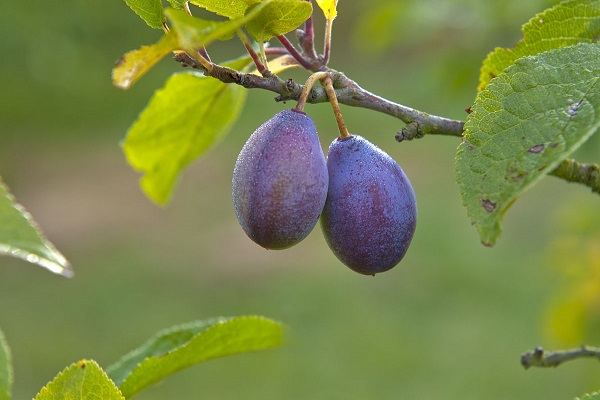
1. Variety Selection
There are many varieties of prunes. We generally choose varieties with large and plump fruit, good color, good taste, high yield and small stones based on the soil conditions and climate conditions of the location. At the same time, we also need to consider the market demand for prunes and which varieties sell better. Currently, the best prune varieties on the market mainly include French Prune, Hongxi Plum, Blue Honey and Stanley, which can be used as references.
2. Site Selection and Orchard Establishment
The prune is a new type of fruit introduced to China from Europe. Its cultivation requirements are not very high, and it can be grown in many places in China. The selection of its planting site is similar to that of traditional Chinese plum planting sites. After the planting site is selected, hole cultivation is generally carried out, but if conditions permit, full cultivation can be done, which can reduce the threat of germs and pests. After cultivation, sprinkle sufficient fertilizer in each hole as base fertilizer, then plant at a row spacing of 3 m and a plant spacing of 2 m. At the same time, build a fence around the area to establish the orchard.
3. Fertilizer and Water Management
After planting, in addition to base fertilizer, prunes generally need to be fertilized three times a year. The first time is usually fertilized during the flowering period to promote flowering, mainly using urea with a small amount of potassium fertilizer added. The second time is when the fruit is swelling, mainly using potassium fertilizer to promote fruit expansion, and it is necessary to spray an appropriate amount of foliar fertilizer and apply a small amount of urea to prevent branch aging. The third time is fertilized after harvest, mainly using compost, which provides good maintenance for the prune tree and prepares for the yield of the coming year.
4. Pruning and Shaping
Prune trees need to be pruned and shaped at least once a year. When the prune tree is still young, we mainly need to prune some very messy branches at the bottom of the tree, while pruning some old branches, and mainly retain the main branches of the prune tree so that it grows rapidly. When it grows to a certain height, pruning is carried out to make it grow new side branches and maintain a good crown and tree shape. For adult prune trees, we mainly prune weak branches, dead branches, diseased branches and dense branches to ensure the yield of prunes.
5. Artificial Pollination
Prune trees can carry out natural pollination, but the phenomenon of physiological fruit drop is relatively serious, pollination is unstable, and the yield is affected. In order to increase the yield of prune trees, we generally choose artificial assisted pollination. During the flowering period, collect flower buds and collect pollen, then choose a sunny morning for pollination, so the success rate of pollination will be higher. Generally, the point pollination method, smearing method and spraying method can be used, and even tapping pollination with pollen wrapped in cotton cloth is also acceptable.
6. Flower and Fruit Thinning
During the flowering period, we should reasonably thin the flowers, gently tapping down some very densely growing blossoms as well as diseased flowers and weak flowers, so as to ensure a reasonable fruit-setting rate. Secondly, after fruit setting, fruit thinning needs to be carried out once, removing some weak-growing fruit, diseased fruit, deformed fruit and dense fruit, which can reduce the probability of fruit drop and thus improve the yield and quality of prunes.
7. Pest and Disease Control
Prunes have strong resistance, so diseases generally rarely occur. It is enough to spray fungicidal agents two to three times a year at reasonable times, such as carbendazim and chlorothalonil. The most common pests include leaf miners, scarab beetles, caterpillars and mites. We can use trapping methods to lure and kill them, and can also use targeted chemicals for spraying, such as dimethoate emulsion and trichlorfon.
Prune Cutting Propagation Techniques
Two-year-old Goddess prune seedlings are planted and root segments are used for cutting propagation. Any tree species that can form adventitious buds on roots can be propagated by root sowing. Such as hawthorn. Propagation mainly uses rootstock. For apple, pear, jujube and persimmon, propagation materials can be collected in combination with autumn seedling lifting and transplanting, selecting root thickness. Roots of 0.3-1.5 cm are cut into root segments of about 10 cm, with fibrous roots attached. The time and post-cutting care are basically the same as hard branch cuttings.