What are the key points for managing watermelon seedlings?
What issues should be noted in watermelon seedling management? (1) Temperature management: In temperature management, two tendencies should be avoided. One is not daring to remove the film for ventilation, fearing the seedlings will freeze, which results in high temperature and high humidity in the seedbed and causes the seedlings to grow leggy; the other is too much ventilation, which makes the temperature inside the bed too low, causing slow seedling growth...
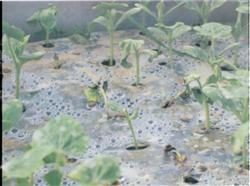
What issues should be noted in watermelon seedling management?
(1) Temperature management: In temperature management, two tendencies should be avoided. One is not daring to remove the film for ventilation, fearing the seedlings will freeze, which results in high temperature and high humidity in the seedbed and causes the seedlings to grow leggy; the other is too much ventilation, which makes the temperature inside the bed too low, causing slow seedling growth and affecting the development process. Another issue to note in temperature management is that the night temperature should be kept relatively low, generally not exceeding 15°C, to favor female flower differentiation.
(2) Water management: Note that the humidity of the bed in the early stage should not be too high. If the humidity is too high, combined with low temperature, it is very easy for seedlings to develop "root rot" and for damping-off disease to be induced. During the seedling stage, the required relative soil humidity is about 80%, and the relative air humidity is 50-60%. Generally speaking, as long as the bottom water is thoroughly watered at sowing, no watering is needed in the early stage of seedling raising. If the surface of the seedbed soil turns white at noon, it indicates a lack of water, and water should be sprinkled at noon. Note that the water should be sprinkled thoroughly but not excessively wet. After sprinkling, let the water droplets on the leaves dry in the sun, then cover with film; otherwise, excessive humidity can easily cause disease.
(3) Light management: Note that the seedbed should receive as much light as possible. If light is insufficient, the seedling stems will be thin and the leaves will be thin, making them prone to leggy growth, poor root development, slow recovery after transplanting, and delayed growth period. The main measures to increase light are to promptly uncover and cover opaque coverings; keep the film clean; even on cloudy and rainy days, as long as the temperature inside the bed is not too low, the covering should also be removed to increase the amount of scattered light penetrating in.
(4) Pest and disease control: Note that pest and disease control should be strengthened, with prevention as the main approach. The main disease at the seedling stage is damping-off, and Fusarium wilt sometimes also occurs. The main pests at the seedling stage are mole crickets, aphids, and others.
(5) Seedling hardening: Note that seedlings should be hardened before planting. Through hardening, the adaptability and stress resistance of the seedlings can be enhanced, so that they recover quickly after planting.