Detailed Explanation of Key Pre-Harvest Management Techniques for Early-Maturing Honey Pears
The cultivation area of early-maturing honey pears has been expanding year by year, but because the majority of growers lack scientific management methods and techniques, premature aging of pear trees has occurred, with fruit production decreasing year by year, fruit quality declining day by day, and poor economic returns. In particular, because last winter was on the warm side, and early spring was also on the hot side, with a cold spell in late spring and other complex and changeable...
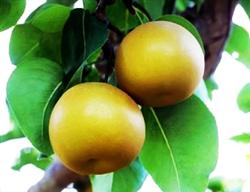
The cultivation area of early-maturing honey pears has been expanding year by year, but because the majority of growers lack scientific management methods and techniques, premature aging of pear trees has occurred, with fruit production decreasing year by year, fruit quality declining day by day, and poor economic returns. In particular, because last winter was on the warm side, and early spring was also on the hot side, with a cold spell in late spring and other complex and changeable weather conditions, the base population of pests and diseases has increased. Therefore, the current situation of early, frequent, and severe outbreaks of pests and diseases has appeared. For this reason, pear growers should focus on three aspects of management according to specific conditions.
1. Soil and fertilizer management: Carry out a shallow plowing (combined with weeding) of pear orchards that were not plowed in last autumn and winter; where conditions permit, interplant spring green manure crops such as mung beans and Indian beans; at the same time, apply a topdressing according to tree vigor and soil fertility, applying 0.2-0.3 kg of sulfur-potassium compound fertilizer per tree to meet the needs of young fruit growth and development. For fields with poor drainage, combine plowing with clearing ditches and drainage to reduce humidity and decrease disease occurrence.
2. Pest and disease control: Observations currently made in Linhai and Xianju show that this year pear stem sawflies, aphids, leaf-curl eriophyid mites, leaf-shrink eriophyid mites, leaf-dormancy eriophyid mites, pear bud-eating moths, leaf-rolling weevils, pear psyllids, and other pests have entered a period of vigorous outbreak, relatively 7-10 days earlier than last year. Therefore, on sunny days, spraying should be carried out promptly for control, with the right pesticide for the right target, highlighting key targets while also controlling others. Commonly used insecticides include: imidacloprid, dichlorvos, Jingxi No. 1, shamante, Zhengrui, abamectin, emamectin benzoate, etc. Use according to the instructions and dilute with water; do not blindly increase the dosage, so as to avoid phytotoxicity and pesticide resistance.
While controlling insects, fungicides should also be used to control rust disease, decay disease, ring rot disease, star disease, etc. Commonly used fungicides include Kaisheng, Xiansheng, Daconil M-45, cyazofamid, hexaconazole, carbendazim, thiophanate-methyl, etc.
For pear orchards severely damaged by leaf eriophyid mites, spray once more in late April or early May, while also controlling pear psyllids and aphids.
For orchards damaged by pear stem sawflies, promptly prune off the 3-5 cm section below the bitten tender shoots and destroy them centrally to reduce damage in the coming year.
While spraying to prevent disease and control insects, apply foliar fertilizer according to the fruit tree's (fruit's) need for trace elements. Commonly used foliar fertilizers include: Cuikang Huaguoling series, Liangpingsu, potassium dihydrogen phosphate, borax, etc.
3. Fruit thinning: Control the fruit load. Because last autumn's flowers and fruits were severely affected, and this year's flowering period also encountered a late-spring cold spell, flower quantity and fruit set in most pear orchards have decreased compared with previous years, so the number of retained fruits should be appropriately increased to improve economic returns.
Fruit thinning should be carried out in stages. The first thinning can be done in mid-April when large and small fruits are clearly distinguishable. Final fruit setting should be completed by the end of April and early May to reduce nutrient consumption, so as not to affect flower bud (primordium) differentiation and thereby affect the next year's fruiting and cause alternate bearing.