What are the harmful effects of continuous cropping of greenhouse strawberries? A detailed explanation of prevention and control techniques
1. Harmful effects of continuous cropping of greenhouse strawberries 1.1 Causes long-term accumulation of pathogenic microorganisms. Planting strawberries continuously on the same plot of land causes obvious changes in the soil microbial community, and suddenly, suddenly nematodes and pathogenic bacteria multiply in large numbers, leading to major outbreaks of pests and diseases. 1.2 Causes imbalance of strawberry nutrients...
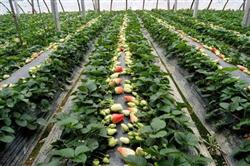
1. Harmful effects of continuous cropping of greenhouse strawberries
1.1 Causes long-term accumulation of pathogenic microorganisms
Planting strawberries continuously on the same plot of land causes obvious changes in the soil microbial community, and suddenly, suddenly nematodes and pathogenic bacteria multiply in large numbers, leading to major outbreaks of pests and diseases.
1.2 Causes imbalance of strawberry nutrient balance
After continuous cropping of greenhouse strawberries, harmful salts in the surface soil gradually accumulate and worsen, and the nutrients that strawberries can easily absorb decrease year by year, causing an imbalance of nutrients around the strawberry rhizosphere, resulting in nutrient deficiency in strawberries and reduced yield.
1.3 Causes massive accumulation of harmful secretions from strawberry roots
During normal physiological metabolism, greenhouse strawberry roots often secrete some substances harmful to themselves. Continuous cropping causes these harmful substances to accumulate year by year, blocking the growth and development of strawberries, thus causing poor development and affecting the yield and quality of strawberries.
2. Key techniques for preventing and controlling the harmful effects of continuous cropping of greenhouse strawberries
2.1 Implement a crop rotation system
A 2 to 3 year planting interval is recommended, and reasonable rotation and alternation of strawberries with other crops should be promoted, which can effectively alleviate the harm of pathogenic bacteria caused by continuous soil cropping.
2.2 Replace the soil surface layer
In a greenhouse where strawberries were planted in the previous crop, dig out the 30 cm thick surface soil, then replace it with sterile new soil. This has a very good control effect on effectively preventing and overcoming diseases caused by continuous cropping of strawberries.
2.3 Strengthen the application of organic fertilizer
After the strawberry harvest, apply a large amount of organic fertilizer at the appropriate time, then carry out deep plowing. This has a very good effect on improving the soil physical and chemical properties in the greenhouse and increasing soil fertility.
2.4 Use sunlight and high temperature for disinfection
In July and August each year, when sunlight is abundant, radiant energy is high, and temperatures are high, using solar energy for disinfection treatment gives a relatively good effect.
2.5 Apply chemical fumigation
Applying soil disinfectants for soil disinfection has the effect of preventing the spread of soil pathogens. Currently, the more commonly used soil disinfectants include dimethyl disulfide, methyl bromide fumigants, and others. When applying soil disinfectants, note that a single disinfectant must not be used for a long time; otherwise, it will lead to resistance to soil-borne diseases and greatly reduce the effectiveness of the disinfectant.