Jujube Tree Grafting Propagation Methods and Technical Key Points
1. Cultivation of rootstock. In production, the commonly used rootstock is wild jujube seedlings, which can be obtained either by direct sowing or by transferring them from other places. Before sowing wild jujube, the nursery should select fertile sandy loam soil, then open furrows and make beds; after fertilizing and watering, sow the seeds, mostly by drilling, with a sowing width of 10cm and a furrow depth of 3cm, then press the soil after sowing. After sowing...
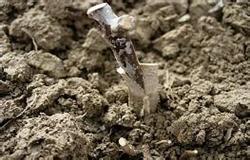
1. Cultivation of rootstock
In production, the commonly used rootstock is wild jujube seedlings, which can be obtained either by direct sowing or by transferring them from other places. Before sowing wild jujube, the nursery should select fertile sandy loam soil, then open furrows and make beds; after fertilizing and watering, sow the seeds, mostly by drilling, with a sowing width of 10cm and a furrow depth of 3cm, then press the soil after sowing. After sowing, a thin layer of mulch such as rice straw should be spread immediately on the seedbed, watered, and then covered with plastic film to keep the bed surface moist and raise the soil temperature. After about 7 days, the young shoots emerge from the soil one after another; at this point, remove the covering straw and plastic film, and carry out timely irrigation, intertillage, topdressing, and pest and disease control. To promote thickening growth, pinch off the growing tips when the seedlings reach 25cm in height, and remove the sprouts below 10cm on the branches to keep the trunk smooth for future grafting.
2. Grafting
After the improved varieties are selected, grafting is carried out in mid-July. Grafting at this time, when temperatures are high and it is the growing season, allows the wounds to heal easily after grafting, resulting in a high grafting survival rate. The scions are collected as needed at the time of grafting; the graft buds used are the main buds at the base of the secondary branches on the growing shoots, and the plump, well-developed buds in the middle of the scion are the best. The grafting method used is the cut grafting method.
3. Management after grafting
The key factors affecting grafting survival are whether the wound moisture and the vitality of the scion can be maintained; therefore, within 15 days after grafting, the soil must be kept moist. After grafting, the rootstock tends to produce sprouts, which affect the growth of the graft buds. To concentrate nutrients for the growth of the graft buds, the sprouts on the rootstock should be removed promptly. If the graft buds are found not to have sprouted after 15 days, the rootstock sprouts may be retained, and supplementary grafting can be carried out the following year. About one month after grafting, the graft union heals completely, and at this point the film should be removed and the binding loosened. At the same time, intertillage and weeding should be carried out, fertilizer and water management strengthened, and pest and disease control work done well, so as to ensure normal growth of the seedlings and improve seedling quality.