What are the control methods for the jujube gall midge, a pest of jujube trees?
This insect, commonly known as the jujube leaf maggot, is found in jujube-growing areas across the country, where its larvae damage the tender leaves, flower buds and young fruit of jujube trees. Damaged tender leaves curl into a tube shape, turn purplish red, become hard and brittle, and soon blacken and wither. Once flower buds are damaged they cannot open, and they turn yellow and drop off. Damaged young fruit cannot develop and grow properly; at about the size of a soybean they turn yellow and drop off...
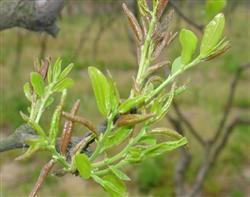
This insect, commonly known as the jujube leaf maggot, is found in jujube-growing areas across the country, where its larvae damage the tender leaves, flower buds and young fruit of jujube trees. Damaged tender leaves curl into a tube shape, turn purplish red, become hard and brittle, and soon blacken and wither. Once flower buds are damaged they cannot open, and they turn yellow and drop off. Damaged young fruit cannot develop and grow properly; at about the size of a soybean they turn yellow and drop off, posing a very great threat to jujube trees.
[Occurrence pattern] In Zhejiang there are about 4 generations a year. It overwinters as larvae in cocoons on the soil surface or in soil crevices at the base of the trunk. Adults lay eggs in early to mid-April, and larvae damage tender leaves in early to mid-April; by early May the larvae are mature and enter the soil to pupate. The second generation of larvae appears in mid to late May and damages flower buds and tender leaves. Because the larvae of this generation damage different organs of the jujube tree, adult emergence is uneven, causing overlapping generations. The next two generations of larvae occur in early July and in mid to late August and damage the jujube fruit.
[Control methods] (1) From April to August, during the emergence period of each generation of adults and the early stage of larval damage, spray promptly to protect new leaves and fruit. The pesticides used can be 30% acephate emulsifiable concentrate at 500 times dilution, or 80% dichlorvos emulsifiable concentrate at 1000 times dilution. (2) Apply pesticide to the ground in late March or early April. (3) Carry out deep ploughing of the soil in the jujube orchard in winter.