How to prevent and control white rot of grapes during the rainy weather of the ripening period
White rot is one of the major diseases of grapes, especially in old vineyards where continuous rainy weather when the grapes are about to ripen leads to severe infection, often causing considerable losses. Grape white rot generally begins to develop in mid-to-late July, mainly harming the fruit clusters and new shoots, and the fruit is more susceptible once it enters the ripening stage. When fruit clusters are infected, it mostly occurs...
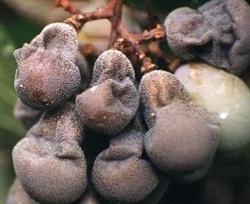
White rot is one of the major diseases of grapes, especially in old vineyards where continuous rainy weather when the grapes are about to ripen leads to severe infection, often causing considerable losses.
Grape white rot generally begins to develop in mid-to-late July, mainly harming the fruit clusters and new shoots, and the fruit is more susceptible once it enters the ripening stage. When fruit clusters are infected, it mostly occurs on clusters near the ground; after infection, light brown rotting spots first appear on the cluster stalk or fruit stem, and the diseased part gradually loses water and shrivels and spreads to the berries, causing the entire cluster to rot, and the berries of affected clusters drop off when shaken. When new shoots are infected, the spots initially appear as water-soaked light brown oval shapes; as the spots expand, the epidermis turns brown, the diseased part often splits into a tangled flax-like appearance, and the middle becomes constricted, sometimes the boundary between diseased and healthy tissue becomes thickened or tumor-like because nutrient transport is blocked. When leaves are infected, it mostly occurs at the leaf tip, forming brown concentric ring-patterned spots that break easily.
To prevent and control grape white rot, cultivation management should be strengthened. Thoroughly clean the vineyard to reduce sources of the disease; apply more organic fertilizer to enhance the plants' disease resistance; raise the fruiting position, and promptly pinch off growing tips and remove secondary shoots to facilitate ventilation and light penetration in the field; bag the fruit clusters after flowering to prevent the pathogen from invading; promptly prune out diseased fruit and diseased branches and bury them deeply in a centralized manner. For chemical control, starting from mid-to-late July, spray with 50% thiophanate-methyl wettable powder or 50% carbendazim wettable powder at 800 times dilution, once every 10-15 days, for 3 consecutive treatments, which has a good preventive and control effect on white rot.