Detailed Explanation of Grape Inflorescence Thinning Methods and Key Technical Points
The main flowering-period diseases of grapes such as Summer Black and Red Globe are gray mold and rachis brown blight, both of which are fungal diseases. Gray mold, also known as bunch rot, has occurred rather severely in recent years; in severely affected orchards it can destroy more than 70% of flower clusters, mainly damaging the corolla, pedicels, rachis, and newly set fruit after pollination during the pre-bloom and blooming periods...
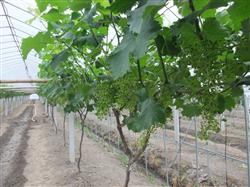 Grape inflorescence thinning method: flower cluster thinning. When the plant's crop load is too heavy and there are too many flower clusters, the plant's nutrients become dispersed and the flower clusters develop poorly, which will affect the size of the future clusters and berries and reduce commercial quality. Therefore, poorly developed flower clusters, as well as those that are too densely distributed and those in unsuitable positions, should be thinned out so that nutrients are concentrated on the remaining flower clusters. When deciding specifically which to keep and which to remove, this should be based on the size of the plant's crop load and the vigor of the fruiting cane growth. Vigorous fruiting canes can retain more than two flower clusters, while weak fruiting canes retain only one flower cluster.