How to effectively control red spider mites on red-fleshed honey pomelo
Spring is the early stage when red-fleshed honey pomelo puts out roots, grows spring shoots, grows flower spikes, blooms, and sets young fruit. During this period, pest and disease damage, fertilizer deficiency, and drought have a direct impact on the pomelo tree's strong shoots, strong flowers, and fruit-setting rate, and it is a key period for increasing the yield of the year. Various spring management technical measures must be taken in a timely manner to promote strong shoots...
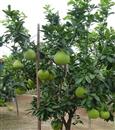 On red-fleshed honey pomelo fruit trees, the red spider mite, also known as the tumor-skin red spider mite, undergoes several generations in a year. It begins to appear sporadically in mid-March, with peak damage periods in April, May, September, and October, and outbreaks occur in large numbers during autumn droughts. Right now is the peak season for red spider mites. For the yield and quality of red-fleshed honey pomelo this year, Jinsheng Red-fleshed Honey Pomelo Farm specifically recommends that red spider mite control be based on agricultural measures, vigorously promote biological control techniques, and focus on chemical control methods to keep the damage baseline under control.
1. Agricultural control: Strengthen cultivation management, cultivate robust plants, and prune reasonably at the right time so that the reproductive growth and vegetative growth of red-fleshed honey pomelo trees maintain an appropriate ratio, thereby maintaining stable yields year after year. Fertilize reasonably, especially do not apply too much nitrogen fertilizer, because excessive nitrogen fertilizer will encourage the reproduction and growth of red spider mites. Irrigate reasonably at the right time to fully meet the water needs of red-fleshed honey pomelo plants for growth and development, and maintain a certain humidity in the orchard. Drought is favorable to the occurrence of red spider mites and unfavorable to the development of their natural enemies. Reasonably intercrop short-stemmed plants such as peanuts and beans, which can both improve the orchard soil and help the survival and development of beneficial insects and beneficial fungi.
2. Biological control: Natural enemies have a significant controlling effect on red spider mites. The main natural enemies of red spider mites include predatory mites, green lacewings, small black lady beetles, six-spotted thrips, and parasitic fungi such as Cladosporium. However, at present there are still certain difficulties in cultivating these natural enemies.
3. Chemical control: At present, the main control method is still chemical methods. During the overwintering period, spray once in early February with Kemante 2000x solution; spray once during the first peak from late April to mid-May with pyridazinone 2000x solution or Tiansaoli 2500x solution; spray once from mid-to-late June with Kemante 3000x solution. Spray once in mid-September with Kemante 3000x solution. If no peak has occurred in the mite population or there is fewer than one mite per leaf, use Kemante at a concentration of 3500x. After harvesting fruit in mid-November, if the red spider mite population density is high, spray once with Kemante 1500x solution. If red spider mites are rarely seen during orchard inspection, spraying can be omitted, and waiting until mid-to-late December when spraying rosin mixture will also combine with controlling red spider mites for an effect.