How to Conserve Flowers and Fruits in Lychee? Detailed Explanation of Key Technical Measures
1. Strengthening flowers and conserving flowers. (1) Apply flower-strengthening fertilizer in time. Flower-strengthening fertilizer is generally applied when the flower spikes emerge and flower buds are visible (also called fertilizing at flowering). The amount applied depends on the number of flowers formed and the tree vigor. Generally, for every 50 kg of fruit produced by the tree canopy, apply 1 kg of compound fertilizer plus 0.2-0.5 kg of urea, or apply 0.5 kg each of urea, superphosphate and potassium chloride...
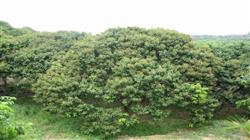
1. Strengthening flowers and conserving flowers. (1) Apply flower-strengthening fertilizer in time. Flower-strengthening fertilizer is generally applied when the flower spikes emerge and flower buds are visible (also called fertilizing at flowering). The amount applied depends on the number of flowers formed and the tree vigor. Generally, for every 50 kg of fruit produced by the tree canopy, apply 1 kg of compound fertilizer plus 0.2-0.5 kg of urea, or apply 0.5 kg each of urea, superphosphate and potassium chloride. In addition, about 20 days before flowering, spray 0.3% potassium dihydrogen phosphate, or 1000 times Lvwang No. 1 (high potassium) plus 0.05% borax on the leaves, which can promote flower spike development. (2) Reasonably control the spikes. Production practice shows that generally early-emerging flower spikes and excessively long flower spikes have poor flower quality, a low proportion of female flowers and a low fruit-setting rate. Especially for varieties with large flower spikes (such as Feizixiao), the flower quantity and flower size should be reasonably adjusted and controlled to increase the fruit-setting rate. ① Artificial short pruning of flower spikes. Short pruning of flower spikes can reduce flower quantity and improve flower quality. The severity of flower spike short pruning depends on the variety. For varieties with strong flower spike regeneration ability and easy secondary flower spike emergence, such as Feizixiao and Sanyuehong, it can be heavier. ② The drugs used to control spikes include lychee high-yield hormone, ethephon, etc. to control flower spikes. (4) Prevent and control pests and diseases. The main pests and diseases harming lychee flower spikes include lychee stink bug, lychee eriophyid mite, looper, aphid and lychee downy blight. They can be controlled with drugs such as Lorsban, propargite, imidacloprid, cypermethrin, trichlorfon, Yaolike and ridomil manganese zinc, Sandofan, Dacotech M-45, metalaxyl, etc.
2. Strengthen management during the flowering period and improve the fruit-setting rate. Main points to focus on: (1) Release bees for pollination. Generally, one box of bees is required for every 3-5 mu. (2) Artificial supplementary pollination. The commonly used method of artificial supplementary pollination is: use a wet towel to gently shake back and forth on the flower spikes of newly opened male flowers to collect pollen, then place the towel in clean water, repeating many times, so that the pollen suspension becomes a light yellow turbid liquid, and then spray it onto female flowers. Notes on artificial pollination: First, it should be carried out on sunny days with a temperature above 16°C; second, the prepared pollen liquid cannot be left for more than 20 minutes, otherwise the pollen loses vitality and the pollination effect is affected. (3) Spray water in dry weather to prevent flower damage from heat. (4) Shake trees in rainy weather to prevent flower retting.
3. Conserve fruits and strengthen fruits. (1) Fertilize to strengthen fruits and conserve fruits. Lychee flowering consumes a large amount of nutrients from the tree. To ensure the nutrients needed for fruit growth and development, fruit-strengthening fertilizer should be applied in time from after flower drop to when young fruits are the size of mung beans. The amount of fertilizer applied should be determined according to tree vigor and fruit load, and at the same time, attention should be paid to foliar topdressing. (2) Girdling to conserve fruits. For vigorously growing trees, start girdling 10-15 days after female flowers drop, on large branches 4-6 cm thick, make one ring cut deep to the xylem. Do not girdle weak trees. (3) Apply plant growth regulators to conserve fruits. When fruits are the size of mung beans, use 20 mg/L gibberellin to conserve fruits. (4) Strengthen water management to conserve fruits. Irrigate during drought; when temperatures are high and sunlight is strong, spray water on the canopy; when there is excessive rain and water accumulation, drain promptly. (5) Prevent and control pests and diseases in time to conserve fruits. The main diseases during lychee fruit development are lychee downy blight, lychee sooty mold and lychee anthracnose. The main pests are lychee fruit borer, lychee stink bug, lychee lycaenid, etc. Key efforts should be made to prevent and control pests and diseases during the young fruit stage of lychee.