What are the key measures for flower and fruit retention in mango?
Mango often suffers from heavy flower and fruit drop due to unfavorable weather, pest and disease damage, or improper fertilizer and water management, resulting in losses. Therefore, action must be taken early, and all effective measures should be adopted to ensure normal flowering and fruiting of mango. According to the experience of fruit growers in Huazhou City, the following measures should be implemented: 1. Strengthen fertilizer and water management, and irrigate...
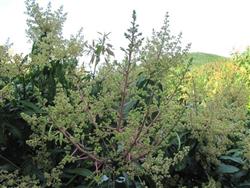
Mango often suffers from heavy flower and fruit drop due to unfavorable weather, pest and disease damage, or improper fertilizer and water management, resulting in losses. Therefore, action must be taken early, and all effective measures should be adopted to ensure normal flowering and fruiting of mango. According to the experience of fruit growers in Huazhou City, the following measures should be implemented:
1. Strengthen fertilizer and water management, and irrigate or spray water in a timely manner. If mango encounters hot and dry weather during flowering, it will inevitably lead to serious flower and fruit drop. At this time, the best solution is to irrigate or spray water, so that during the development stage the mango can both receive sufficient nutrient and water supply and have a spatial environment with suitable temperature, avoiding flower and fruit drop caused by excessive drought and an unfavorable environment that disrupts fertilizer and water supply.
2. Carry out fruit thinning, fruit hanging and bagging at the proper time. During the flowering and fruiting periods, timely attention should be paid to achieving a reasonable distribution between panicles and between fruits. Use ropes to pull the panicles apart to an appropriate distance or keep the fruits about 50 cm above the ground, and prevent damage by birds and infection by pathogens, as well as collisions between panicles and between fruits and the effects of strong winds. At the same time, after the young fruits have formed and their development has stabilized, spray a fungicide once in a timely manner, and then bag each fruit one by one. When bagging, carefully tie the bag opening and the fruit stalk tightly to prevent infestation by the citrus fruit fly, reduce pathogen infection, and ensure the fruit develops fully and well.
3. Do a good job in pest and disease control. From the flowering stage to the fruit harvest period, various pests and diseases will attack one after another, so control work must be done in a timely manner. Implement the policy of "prevention first, integrated control," closely combine it with fertilizer and water management and foliar fertilization, and coordinate it with spraying insecticides or fungicides, integrating fertilizer and pesticide application to control pests and diseases well. When preventing diseases, a fungicide should be added; 50% carbendazim 1000-fold solution or 75% sulfur suspension concentrate 1000-fold solution can be used, both of which have good control effects on powdery mildew and anthracnose. If insect control is needed, an insecticide should be added; 40% omethoate 2000-fold solution can be used to kill short-headed leafhoppers, tail night moths, and fruit weevils; for the citrus fruit fly, the adult occurrence period should be seized, and 0.5% concentration sugar solution with trichlorfon can be used for spray killing, applied once every 4 days for 3 consecutive times, sprayed on the branches and leaves, which can wipe out the adult pests.