Integrated management with new techniques makes mangoes retain flowers and fruits, with more fruit set
Mango jujube sets fruit easily but retaining it is difficult; from the young fruit stage to the white-ripe stage it keeps dropping fruit, and puzzlingly, it always drops the large ones and keeps the small ones, which distresses jujube growers greatly. In recent years, various flower- and fruit-retention measures were tested on mango, and the following integrated management new techniques were developed to solve this problem: 1...
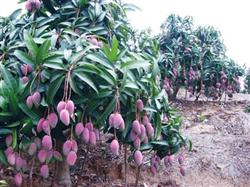
Mango jujube sets fruit easily but retaining it is difficult; from the young fruit stage to the white-ripe stage it keeps dropping fruit, and puzzlingly, it always drops the large ones and keeps the small ones, which distresses jujube growers greatly. In recent years, various flower- and fruit-retention measures were tested on mango, and the following integrated management new techniques were developed to solve this problem:
1. The traditional methods of curbing rampant branch growth are girdling, shoot killing, and root cutting; these harsh measures severely damage tree vigor and greatly shorten the tree's lifespan. The new technique of using Flower Promoter King to control shoots and promote flowering can completely replace the above traditional measures. When the last autumn shoot of mango matures and turns green, ring-cut and apply Flower Promoter King No. 2. "Flower Promoter King No. 2" is a cationic active agent; upon entering the tree body it can disinfect, activate anions in the tree body, transform the mango tree's vegetative growth into reproductive growth, control rampant branch growth, improve the quality of winter dormancy, and enable more flowering and more fruit set the following year.
2. Prune out diseased and insect-damaged branches, weak branches, shaded branches, and drooping branches, cut back part of the fruiting branches, prune out dense buds on fruiting branches, and remove the pruned branches and leaves from the orchard and burn them in a centralized manner. If pruning wounds are not sealed in time, they will crack, be subject to contamination and the threat of pests and diseases, and cause tree vigor decline. Directly apply the oil-based soft solid "Wound Healing and Antiseptic Film" to the pruning and saw cuts to form a water-impermeable, tough layer that adheres closely to the wood, protecting the wound and the growth of wounded tissue, and it is simple to apply and easy to carry.
3. Bagging to protect fruit. Experience has proven that bagging fruit in paper bags is an effective measure for producing high-quality fruit and increasing yield. However, because paper bags are expensive, fruit growers find them hard to accept. The "New High Lipid Film" micro-film bagging technique can not only, like paper bags, protect fruit from damage by fruit flies and fruit-sucking noctuid moths and from having the peel scratched by branches and leaves, keeping the fruit surface fresh and beautiful. It also has remarkable effects on preventing cracked melons, rotten melons, dropped melons, and rough-peel fruit, is simple to operate (start from the young fruit stage and then follow up with spraying), and requires little investment, making it the first choice for fruit growers adopting bagging techniques.
4. Applying growth regulators to retain fruit
Mango consumes a large amount of nutrients during flower bud differentiation, heading, flowering, and fruit set; when nutrients are lacking, insufficient nutrient supply to the tree body causes flowers and fruits to drop. Spraying Melon and Fruit Stem Strengthener can provide the sufficient nutrients needed for tree growth, retain flowers, retain fruit, and strengthen fruit, with an obvious yield-increasing effect.
5. Control of major pests and diseases
(1) Open up the tree canopy, increase light penetration, remove weeds, clear away diseased branches, diseased leaves, and diseased fruit, and use Tree Protector General to clean the orchard, disinfect and sterilize, and reduce conditions for pathogen breeding.
(2) Timely spraying of fungicides and insecticides can effectively control mango anthracnose, powdery mildew, striped tail noctuid, flat-beak leafhopper, small fruit fly, and fruit-sucking noctuid and other pests and diseases. When choosing chemical agents for control, an appropriate amount of New High Lipid Film must be added to improve the utilization of the effective ingredients of the pesticide and achieve the best control effect.