What is sooty mold disease in mango orchards?
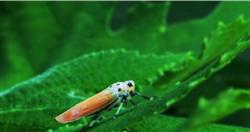
The mango leafhopper, also called the leafhopper, damages flower spikes and young fruit, causing flower and fruit drop, poor harvest or even total crop failure, and induces severe sooty mold. It also damages young buds, tender shoots and leaves, causing bud and leaf deformity. It usually occurs more frequently during the flowering period, and high humidity and a dense canopy make this pest more likely. In Hainan it often...
 This disease is distributed in Yunnan, Guangxi, Hainan, Guangdong and Fujian provinces (autonomous regions), and is a major recurrent disease, occurring commonly in arid regions. Damage to leaves reduces the photosynthetic efficiency of the canopy, can affect the growth of shoots and leaves, causes canopy decline, and during the flowering period hinders pollination and fertilization of flower spikes, reducing fruit set rate and the external quality of the fruit.
Symptoms: On affected leaves, the leaf surface is covered with a loose, net-like black powdery mold layer, which hinders leaf photosynthesis. The mold is confined to the leaf surface, is not tightly bound to the leaf, and is easy to wipe off. During the flowering period, the black mold layer covers the inflorescence, flower spikes and small flowers on the side branches, affecting pollination of the flower spikes and causing a decline in fruit set rate; young fruit affected by the mold layer tend to drop off, and in the later stage of fruit growth, affected fruit develops a dirty-colored peel, poor appearance, and is prone to inducing post-harvest diseases.
Pathogens and occurrence characteristics: There are 2 common pathogens: the disease caused by Capnodium mangiferae. is often called sooty mold, and that caused by Cladosporium herbarum (Pers.) Lk. Ex Fr. is called smoke mold; the two together are called sooty mold disease. The primary infection source of the disease comes from branches and old leaves. The pathogen can reproduce year-round in southern Guangdong and Hainan province. The severity of the disease is related to the population density of honeydew-secreting insects and meteorological factors. In areas with an obvious spring drought (western Hainan, the Leizhou Peninsula area of Guangdong, the Baise area of Guangxi, Yunnan) or in years when the fruiting period is dry, the population density of homopteran insects (mango leafhopper, aphids, scale insects, white wax cicadas, etc.), thysanopteran insects (thrips) and mites is high, and their damage is rampant. They suck the sap of tender leaves and young fruit and excrete large amounts of amino acids, sugars, waxes and other substances that adhere to the surface of host tissues. These excreta are an excellent substrate for the reproduction of sooty mold pathogens, and the fungal hyphae multiply rapidly to form large amounts of black mold layer covering the surface of branches, leaves and fruit. Orchards with older trees, shade and poor cultivation management have more severe occurrence of this disease.
Control methods: 1) Strengthen orchard cultivation management and prune rationally. Orchards with older trees should retract the canopy and cut out inner branches, dead branches and diseased and pest-infested branches to improve orchard ventilation and light penetration, which can reduce hiding places for leafhoppers, aphids, thrips and mites. 2) During the dry season of the fruiting period, regularly control leafhoppers, aphids, thrips and mites, etc. 3) Regularly apply fungicides to inhibit mold growth, using 75% chlorothalonil wettable powder at 800-1000 times dilution or 40% miebingwei suspension concentrate at 600-800 times dilution, spraying the canopy, with an application interval of 15-20 days, and continuous application 2-3 times.