Identification and Control Methods for Common Cherry Diseases and Pests
Many of the diseases and pests affecting cherries are the same as those of other stone fruit trees, so their control methods can be used for reference. The main diseases harming cherries are shot hole disease, crown and root collar rot, and gummosis. Crown and root collar rot mostly occurs on trees in their first fruiting stage, causing the crown and root collar to decay. Control methods: mainly avoid piling soil around the root collar for long periods, and control underground pests that gnaw and wound the bark. At the same time, check frequently; when diseased plants are found, scrape and treat them promptly, and after scraping, disinfect with Bordeaux mixture or lime sulfur mixture. For severe crown and root collar rot, the aboveground growth can also be restored through spring bridge grafting. The main pests harming cherries include the red-necked longhorn beetle, the golden-line jewel beetle, the small clearwing moth, the spherical scale insect, and the phalera caterpillar. The small clearwing moth has one generation per year, and its larvae cause damage within the cortex of large branches. Control measures mainly include spraying during the peak emergence period of adults, whitewashing the branches and trunk to prevent egg laying, and promptly spraying or digging out larvae when their frass is found in the field.
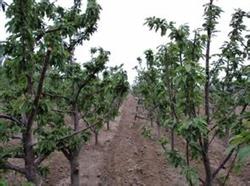
Many of the diseases and pests affecting cherries are the same as those of other stone fruit trees, so their control methods can be used for reference. The main diseases harming cherries are shot hole disease, crown and root collar rot, and gummosis. Crown and root collar rot mostly occurs on trees in their first fruiting stage, causing the crown and root collar to decay. Control methods: mainly avoid piling soil around the root collar for long periods, and control underground pests that gnaw and wound the bark. At the same time, check frequently; when diseased plants are found, scrape and treat them promptly, and after scraping, disinfect with Bordeaux mixture or lime sulfur mixture. For severe crown and root collar rot, the aboveground growth can also be restored through spring bridge grafting. The main pests harming cherries include the red-necked longhorn beetle, the golden-line jewel beetle, the small clearwing moth, the spherical scale insect, and the phalera caterpillar. The small clearwing moth has one generation per year, and its larvae cause damage within the cortex of large branches. Control measures mainly include spraying during the peak emergence period of adults, whitewashing the branches and trunk to prevent egg laying, and promptly spraying or digging out larvae when their frass is found in the field.