Key Techniques for Autumn Management of Longan Grapes
After planting longan grafted seedlings, if they can be managed normally, they will enter the fruiting period after 3 years. Releasing autumn shoots at the right time, cultivating the formation of robust fruiting mother branches, controlling winter shoots, paying attention to thinning and controlling panicles during the flowering period, improving the fruit-setting rate, and carrying out proper pest and disease control are the key cultivation technical measures for high and stable yields in bearing longan trees. Among these, the flowering and fruiting period...
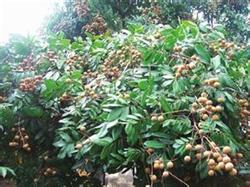 The period for stimulating autumn shoots in longan. Because planting regions differ, the growth status of longan also differs. When the first new shoots have just emerged, good autumn shoots should be cultivated according to the characteristics of the variety and the conditions of each orchard.
① Spray pesticides to protect new shoots. At present, the pests harming longan new shoots include the longan gall psyllid, lychee erinose mite, longan shoot borer, and others. Spray pesticides for control when the new shoots have just sprouted.
② Apply fertilizer to stimulate and strengthen shoots. Longan bears more fruit and consumes a large amount of nutrients, so the tree's reserves are reduced, affecting the quality of the first new shoots. In addition to applying compound fertilizer, organic fertilizer, and quick-acting nitrogen fertilizer to the soil, agricultural nucleotides or other foliar fertilizers should also be sprayed during the growth of the new shoots.
③ Drain or irrigate promptly. After rain, when water accumulates in the orchard, it should be drained promptly, especially in orchards with heavy clay soil. During drought, irrigation should be carried out promptly. When water is lacking, besides delaying the emergence of new shoots, it also affects the growth of new shoots.
④ For orchards where new shoots emerge only in late August or early September, management should be strengthened by spraying agricultural nucleotides + 0.1%-0.2% nitrogen fertilizer to promote the growth of new shoots, striving to produce the last autumn shoots in late October.
⑤ Thin branches. When the leaves of the first new shoots turn green, branch thinning can be carried out. The main purpose is to remove excessive new branches emerging from the pruning cuts. Generally, 2-3 new shoots are retained on pruned branches, and the remaining new shoots are removed to the extent that the trunk and branches are not directly exposed to sunlight. In some orchards that have been pruned too heavily, new shoots on the trunk should be appropriately retained. Only when a certain amount of branch growth in the canopy is present can the humidity in the air be ensured and sunscald be prevented.