Symptoms of Phosphorus Deficiency in Peach Trees and How to Prevent and Treat It
What does phosphorus deficiency in peach trees generally look like? How should it be prevented and treated? Symptoms of phosphorus deficiency in peach trees: In peach orchards with fairly severe phosphorus deficiency, the new leaves are small, the petioles and the veins on the underside of the leaves turn purplish red, later turning bronze or brown, and the leaves stand at a right angle to the branches. Prevention and treatment methods: Applying more organic fertilizer and improving the soil are the...
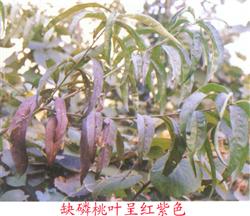
What does phosphorus deficiency in peach trees generally look like? How should it be prevented and treated?
Symptoms of phosphorus deficiency in peach trees: In peach orchards with fairly severe phosphorus deficiency, the new leaves are small, the petioles and the veins on the underside of the leaves turn purplish red, later turning bronze or brown, and the leaves stand at a right angle to the branches.
Prevention and treatment methods: Applying more organic fertilizer and improving the soil are effective ways to prevent and treat phosphorus deficiency. Applying superphosphate or monopotassium phosphate gives clear results in preventing and treating phosphorus deficiency. But note that applying too much phosphate fertilizer can cause copper deficiency and zinc deficiency.
1. Apply well-rotted organic fertilizer in autumn. The application rate is 2 to 3 times the peach fruit yield. Mixing superphosphate and monopotassium phosphate into the organic fertilizer and applying them together gives even better results.
2. Apply a quick-acting phosphate fertilizer as a top dressing. Diammonium phosphate or a special-purpose fertilizer can be applied. In orchards with mild phosphorus deficiency, spraying a 0.1% to 0.3% monopotassium phosphate solution 2 to 3 times during the growing season can relieve the symptoms.
MorePeach Tree Growing Techniques