How to Grow High-Quality Cherry Tomatoes? Detailed Planting Methods
How can you grow high-quality cherry tomatoes? Cherry tomatoes, also known as mini tomatoes, are grown mainly for their fresh fruit. The fruits are small, with a single fruit weight of 10-20 g. The plants have strong growth vigor and bear many fruits, with 400-500 fruits per plant. The fruit shapes include spherical, date-shaped, and pear-shaped, offering high ornamental value as well as...
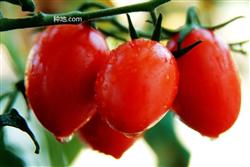
How can you grow high-quality cherry tomatoes?
Cherry tomatoes, also known as mini tomatoes, are grown mainly for their fresh fruit. The fruits are small, with a single fruit weight of 10-20 g. The plants have strong growth vigor and bear many fruits, with 400-500 fruits per plant. The fruit shapes include spherical, date-shaped, and pear-shaped. They have high ornamental value and rich nutritional value, being rich in soluble sugars, organic acids, protein, carotene, vitamins, minerals, and many other nutrients. Ripe fruits have a sugar content as high as 8%-10%, with a suitable sweet-and-sour taste and a unique flavor, making them deeply loved by people. Cherry tomatoes are a warm-loving fruit vegetable. The optimum temperature for seed germination is 25-30°C, the optimum temperature for growth is 20-25°C, and the optimum temperature for growth during the fruiting period is 15-25°C. They love light, and insufficient light easily causes flower and fruit drop. Their water requirements are low in the early stage and high in the later stage. They have strong adaptability to soil, perform best on sandy loam, and like potassium fertilizer. The yield of cherry tomatoes is relatively low, at 2000-2500 kg per mu. Their selling price is relatively high in spring, summer, and autumn, especially in spring and summer. The main varieties include Shengnv, Longnv, and others.
The main cultivation technical points are as follows:
1. Cultivation season The cultivation season of cherry tomatoes is similar to that of common tomatoes. For open-field cultivation, spring sowing can be done by raising seedlings under protection in early February, transplanting when there are 5-6 true leaves, and entering the harvest period in early May. For autumn sowing, seedlings can be raised in June, transplanted in July, and harvested starting in September. Cultivation under protection can be appropriately advanced.
2. Sowing and seedling raising
2.1 Seed treatment To prevent seed-borne disease transmission, seed disinfection should be carried out before sowing. Seed disinfection can use warm water soaking or chemical soaking. Warm water soaking: soak the tomato seeds in cold water for 10 minutes, then place them in hot water at 50-55°C, stirring constantly and quickly so the seeds are heated evenly, adding hot water at any time to keep the water temperature stable at 50-55°C. After 15-20 minutes, remove them and place them in cold water to dissipate the residual heat, then soak them in warm water at 25-30°C for 4-6 hours. Chemical soaking: wrap the seeds in gauze, place them in a 10% trisodium phosphate aqueous solution and soak for 20-30 minutes, then take out the seeds. Wrap them in a wet towel and place them at 25-28°C for germination. During germination, rinse the seeds 1-2 times a day with warm water at about 25°C. After 2-3 days of germination, when 1/2 of the seeds have sprouted, they can be sown.
2.2 Sowing First water the prepared seedling bed. After the water has seeped down, sow evenly after 2-3 hours, then cover with 0.5-1 cm of sieved soil. The seeding rate per square meter of seedling bed is 3-5 g, and each mu of transplanting area requires 8-10 sq m of seedling bed.
3. Transplanting Transplant when the seedlings have grown 5-6 true leaves. Use double-row transplanting per bed, with a small row spacing of 60 cm and a plant spacing of 35-40 cm, planting 2500-3000 plants per mu. For plastic film mulching, first prepare the bed and lay the film, then make transplanting holes according to the plant spacing. The transplanting depth should be such that the cotyledons are 1 cm above the ground. At transplanting, water thoroughly. Field management such as watering, topdressing, temperature management, and pest and disease control is the same as for conventional seed production.
4. Pruning Cherry tomatoes grow rapidly in greenhouses, with tall plants and poor uprightness. When the plants grow to 30-40 cm, stakes should be inserted or strings hung for support to prevent lodging. The side branches have strong growth ability. Generally, multi-layer plus 2 continuous layers of pinching are used for pruning, that is, retaining the flower clusters on the main stem, keeping the side branches sent out from the main stem, leaving 2 flower clusters on each side branch, and then pinching after leaving 2 leaves above the flower cluster. Remove excess shoots (extra axillary buds) in time and twist the side branches so that they do not shade each other. Twisting is generally done in the afternoon, and yellowed old leaves and diseased leaves on the lower part should be removed in time to reduce nutrient consumption and improve light penetration.
5. Flower thinning and fruit preservation When the temperature is low in early spring, poor pollination easily causes flower drop. You can smear 2,4-D on the calyx and flower stalk of newly opened flowers (only smear once). Each cluster of cherry tomatoes has many flowers and fruits. Just select and keep 20-30 well-set fruits, and remove the rest.
6. Harvest The harvest time is determined according to transportation conditions. For long-distance transportation, the fruits can be harvested as soon as they begin to change color. For local sales, they should be harvested when fully ripe. When harvesting, keep the sepals and a section of the fruit stalk.
Click to see more cherry tomato cultivation techniques
Click to see more fruit cultivation techniques