Detailed Guide to the Layering Method for Cherry Tomatoes
How do you grow cherry tomatoes? The ideal soil for cherry tomatoes is deep, fertile, well-drained yet reasonably water-retentive sandy loam to clay loam with a soil pH of 5.6-6.7. Tomatoes should not be grown in continuous cropping; they are best rotated with rice, legumes, corn, and similar crops. 1. Variety selection...
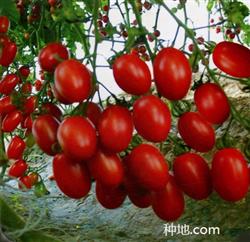 How do you perform layering on cherry tomatoes?
The layering method for controlling excessive vigor in cherry tomatoes works like this:
To control excessive vegetative growth in cherry tomatoes, practice has proven that layering to control the plant works very well. Layering weakens apical dominance and inhibits rapid vegetative growth, and this effect can be used to regulate plant growth nicely.
Lower layering is mainly to prevent leggy seedlings, so it should be done early. It is generally done when the plant has grown to about 40 cm. This layering can bend the lower 20-30 cm of stem directly down and fix it with soil. While suppressing apical dominance, it also makes full use of the tomato's tendency to easily produce adventitious roots, increasing the number of roots and expanding the plant's range for absorbing nutrients, which is more conducive to forming a strong plant. Middle layering is mainly to balance vegetative growth and reproductive growth, and it can generally be done at the 3rd to 4th flower cluster stage. This layering can bend or lay down the upper 20 cm of stem. Besides dwarfing the plant and regulating growth, this layering can also adjust the plants to the same height, making them uniform and easier to manage.
Click to see more cherry tomato growing techniques
Click to see more fruit growing techniques