What are the precautions for watering a vineyard?
What should be noted when watering a vineyard? Please advise. Water or control water according to the water requirements of grapes at each phenological stage to ensure normal growth and fruiting. 1. Watering ① Watering to promote bud break. From the start of sap flow and bud break in spring to before flowering is 30-40 days. This period coincides with the spring drought season, when grape buds sprout...
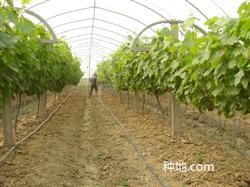
What should be noted when watering a vineyard? Please advise.
Water or control water according to the water requirements of grapes at each phenological stage to ensure normal growth and fruiting.
I. Watering
① Watering to promote bud break. From the start of sap flow and bud break in spring to before flowering is 30-40 days. This period coincides with the spring drought season. Grape buds sprout, shoots grow, leaves unfold, and inflorescences continue to differentiate and grow, urgently needing a large amount of water. Therefore, irrigate 1-2 times, until the root zone is thoroughly watered. However, do not water excessively, so as not to affect the rise of soil temperature.
② Watering before flowering. In arid areas, water about 15 days before flowering. Doing so is beneficial for flowering and fruit set.
③ Watering during the berry enlargement stage. From the end of physiological flower and fruit drop to 50-80 days before fruit coloring is the berry enlargement stage. Depending on the variety, the length of this stage also differs. During this period, new shoots grow vigorously and the fruit begins to expand rapidly. It is the peak period for grapes to absorb fertilizer and water. Coupled with high temperatures and large leaf transpiration, water generally needs to be applied once every 10-15 days. If there is rain, then irrigation may be skipped or reduced.
④ Watering after applying base fertilizer in autumn. From after fruit harvest to before bud break the following year, high-quality organic base fertilizer should be applied, generally called autumn base fertilizer application. When applying fertilizer, trenches 0.6-0.8 m deep are required. Mix the organic fertilizer evenly with the topsoil and backfill, then irrigate thoroughly so it settles, to prevent air penetration.
⑤ Watering with freeze-sealing water at the right time. Winter watering can raise soil temperature and prevent freeze damage. In northern regions, 10 days before burying grapes with cold-protection soil in winter, one application of freeze-sealing water should be given. Its purpose is to improve the cold-protection effect and prevent root freeze damage and early-spring drought. When watering, it must be thorough, with the standard being that the soil reaches a saturated state. Wait until the surface soil is slightly dry, then proceed with burying soil for cold protection.
II. Water control
① Water control during the flowering stage. From the beginning of flowering to the end of flowering, grapes take 10-15 days. If rain occurs during the flowering stage, it will affect pollination and fertilization, making uneven berry sizes likely, and also easily causing excessive vine growth, consuming too many nutrients, seriously affecting pollen germination, and causing flower and bud drop, thus reducing yield.
② Water should be properly controlled during the berry coloring stage. The grape coloring stage is not long, generally 20-30 days from the beginning of coloring to harvest, and one irrigation in between is sufficient. Excessive water during the berry ripening stage (or rainfall) will affect coloring, reduce quality, and also make anthracnose and white rot more likely, and some varieties are also prone to fruit cracking. In order to increase the sugar content and quality of the berries, pay attention to water control and drainage.
Click to see more grape growing techniques
Click to see more fruit growing techniques