How to fertilize a loquat tree for high yields
How should you fertilize a loquat tree to achieve high yields? Key points for fertilizing loquat trees: Nitrogen is one of the elements loquat needs in the largest amounts for growth. Applying more nitrogen fertilizer can strengthen the tree's vigor, delay the flowering period, and also has a certain effect on preventing frost damage. When nitrogen is sufficient, the tree is vigorous, with thick branches and large leaves, a moderate number of flowers, and large fruit with high yields. When nitrogen is excessive, the shoots grow excessively...
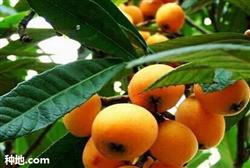
How should you fertilize a loquat tree to achieve high yields?
Key points for fertilizing loquat trees:
Nitrogen is one of the elements loquat needs in the largest amounts for growth. Applying more nitrogen fertilizer can strengthen the tree's vigor, delay the flowering period, and also has a certain effect on preventing frost damage. When nitrogen is sufficient, the tree is vigorous, with thick branches and large leaves, a moderate number of flowers, and large fruit with high yields. When nitrogen is excessive, the shoots grow excessively; although the fruit is large, its color and flavor are both bland and the flesh is rather hard. When nitrogen is insufficient, growth is weak, with few and short, thin shoots, small and thin leaves, early shedding of old leaves, and small fruit with low yields.
Phosphorus is present in large amounts in the reproductive organs of loquat. Applying phosphorus can increase the fruit-setting rate, promote root growth, and raise the sugar content of the fruit. When phosphorus is deficient, the loquat's root growth is poor, the leaves are small and dark green, and growth is weak.
Potassium is present in large amounts in the fruit, and the leaves and new shoots also contain high levels of potassium. Applying more potassium fertilizer has a clear effect on promoting fruit enlargement and improving product quality. Potassium can also promote the filling out of branches and improve disease resistance.
Calcium is the element with the highest content in the loquat plant. Calcium can regulate the acid-base balance of the tree. On soil rich in calcium, loquat trees grow vigorously. When calcium is deficient, the loquat buds turn brown and die.
Magnesium is a component of chlorophyll. When magnesium is insufficient, the areas between the leaf veins lose their green color, the leaves turn yellow, and they drop early. Looking at the loquat plant as a whole, calcium accounts for 0.71% of dry matter weight, potassium 0.53%, nitrogen 0.39%, magnesium 0.10%, and phosphorus 0.06%. Analysis of loquat fruit flesh shows that, besides nitrogen, it also contains calcium, magnesium, potassium, sodium, phosphorus, iron, manganese, zinc, boron, and others, among which iron has the highest content, at 126-700 mg/100 g; potassium comes next, at 210 mg/100 g. Analysis of normal loquat leaves shows a nitrogen content of 1.35%, phosphorus 0.09%, potassium 0.4%, calcium 0.16%, and magnesium 0.05%. If any one element is below the above content, it indicates that the loquat is deficient in that element. Therefore, leaf analysis can serve as a basis for fertilizing loquat.
Click to see more loquat growing techniques
Click to see more fruit growing techniques